Kyoto
Kyoto is about 130 min from Tokyo by Nozomi Shinkansen and 80 min from Kansai Airport on the Haruka express. Visitors come for Kiyomizu-dera, Fushimi Inari shrine and its torii gates, the Golden and Silver Pavilions, the Gion district and gardens that need booking, such as Katsura Imperial Villa and the Moss Temple. Spring and autumn are the best seasons: highs range from 14 to 25 °C from March to May and from 17 to 23 °C in October and November; August tops 33 °C.
Kyoto, Japan's former imperial capital, is the place for temples, gardens and the tea ceremony: about 130 minutes from Tokyo by Shinkansen (bullet train) and 80 minutes from Kansai Airport. Four to five nights allow time for the main sites on all four sides of the city, a garden visit booked in advance and an evening in Gion, the geiko district. Several places must be booked weeks or months ahead, so that is the first thing to settle.
What to book in advance
- Katsura Imperial Villa can only be visited on a guided tour, by reservation. Online applications open at 5 am on the 1st of the month, three months before the month of the visit, and close at 11.59 pm three days before; a few places are also given out on the day, subject to availability. English tours start at 9.20 am, 11.20 am, 1.20 pm, 3.20 pm and 4.20 pm. The villa is closed on Mondays (Tuesday if Monday is a public holiday) and from 28 December to 4 January.
- Saiho-ji, the Moss Temple, has admitted visitors by reservation only since 1977, at least one day ahead, in small groups.
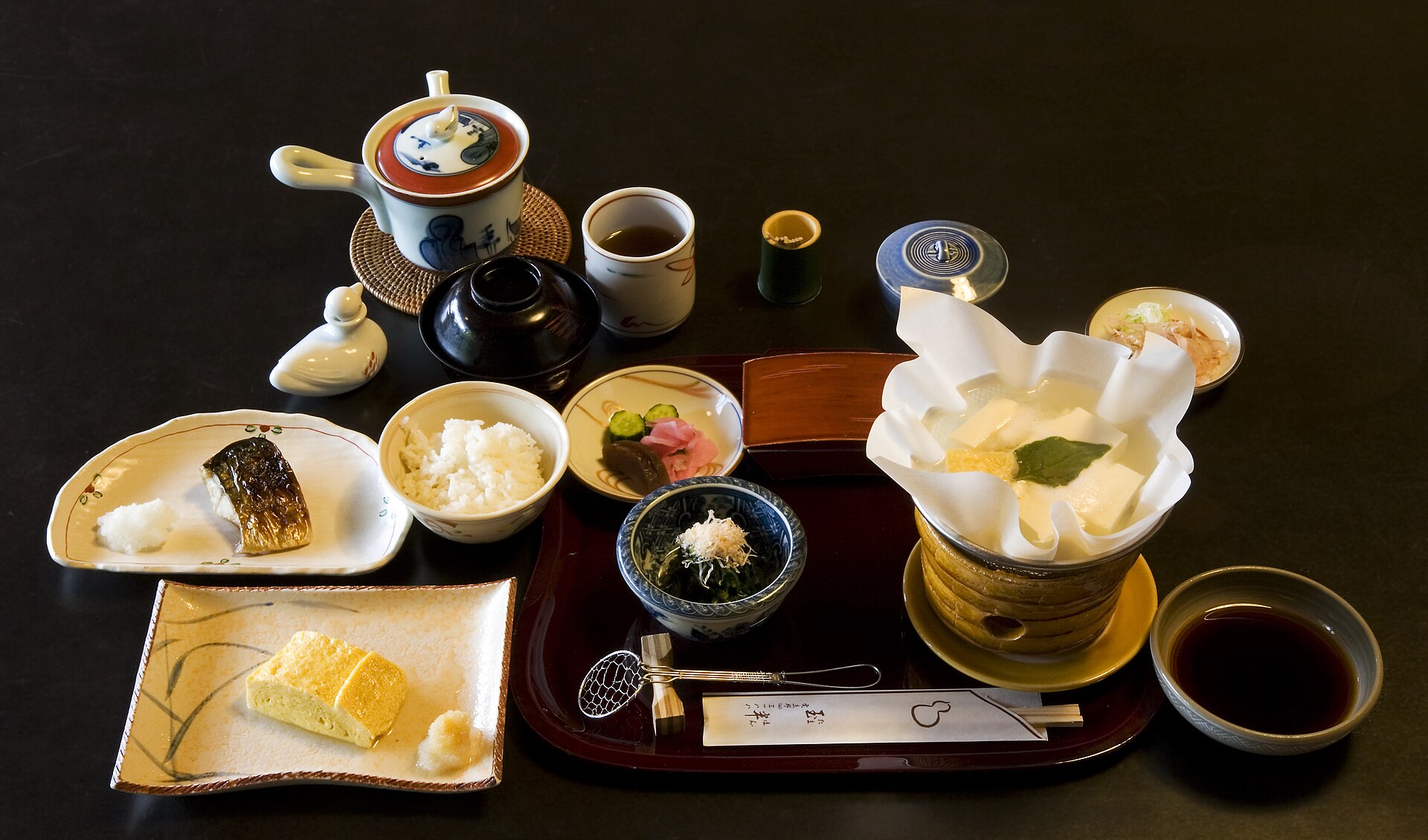
- A private tea ceremony, a kaiseki table (seasonal Japanese cuisine in several courses) and the hotel itself during cherry blossom and maple seasons.
For a visit to Katsura in April, the application is therefore made on 1 January.
Getting to Kyoto
From Tokyo, the Nozomi on the Tokaido Shinkansen reaches Kyoto Station in about 130 minutes; the Hikari takes about 170 minutes. From Kansai Airport, the JR (Japan Railways) Haruka limited express runs direct to Kyoto in about 80 minutes; from Itami Airport, the limousine bus reaches Kyoto Station in 50 to 55 minutes.
Osaka is about 30 minutes away by JR Special Rapid, station to station; the Keihan line links Yodoyabashi in Osaka with Gion-Shijo in about 48 minutes. Nara makes a day trip from Kyoto.
The east: Higashiyama and Gion
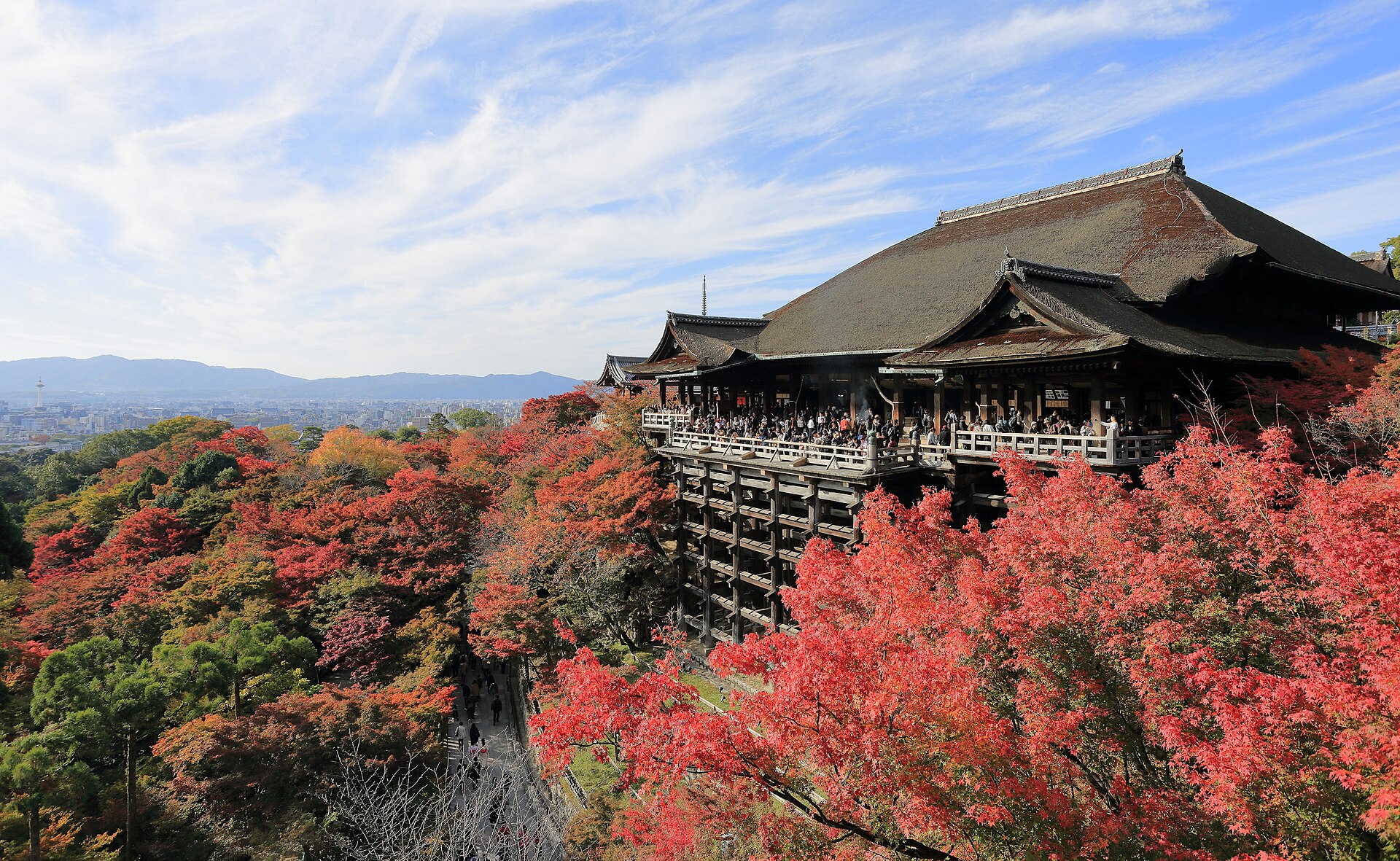
Kiyomizu-dera is a Buddhist temple whose history goes back more than 1,250 years. Its wooden main hall was rebuilt in 1633. The temple opens at 6 am; closing time varies with the season, and night openings take place on dates set each year.
North of Higashiyama, Ginkaku-ji, the Silver Pavilion, is the villa that shogun Ashikaga Yoshimasa began in 1482. Its private chapel, the Togu-do, was completed in 1486 and the Kannon Hall begun in 1489; they are the only two buildings that survived the fire of 1550. It opens from 8.30 am to 5 pm from 1 March to 30 November, and from 9 am to 4.30 pm from 1 December to the end of February.
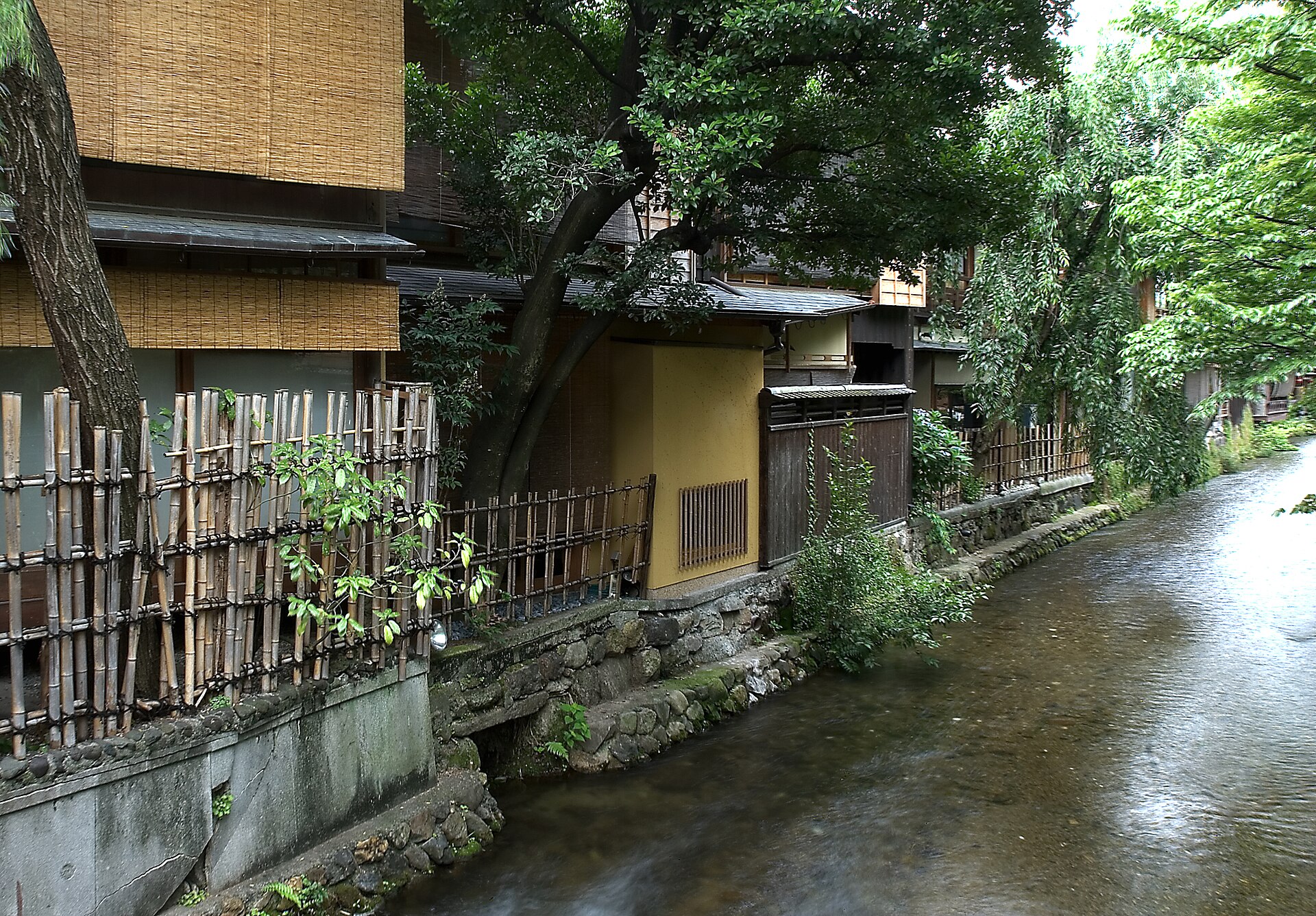
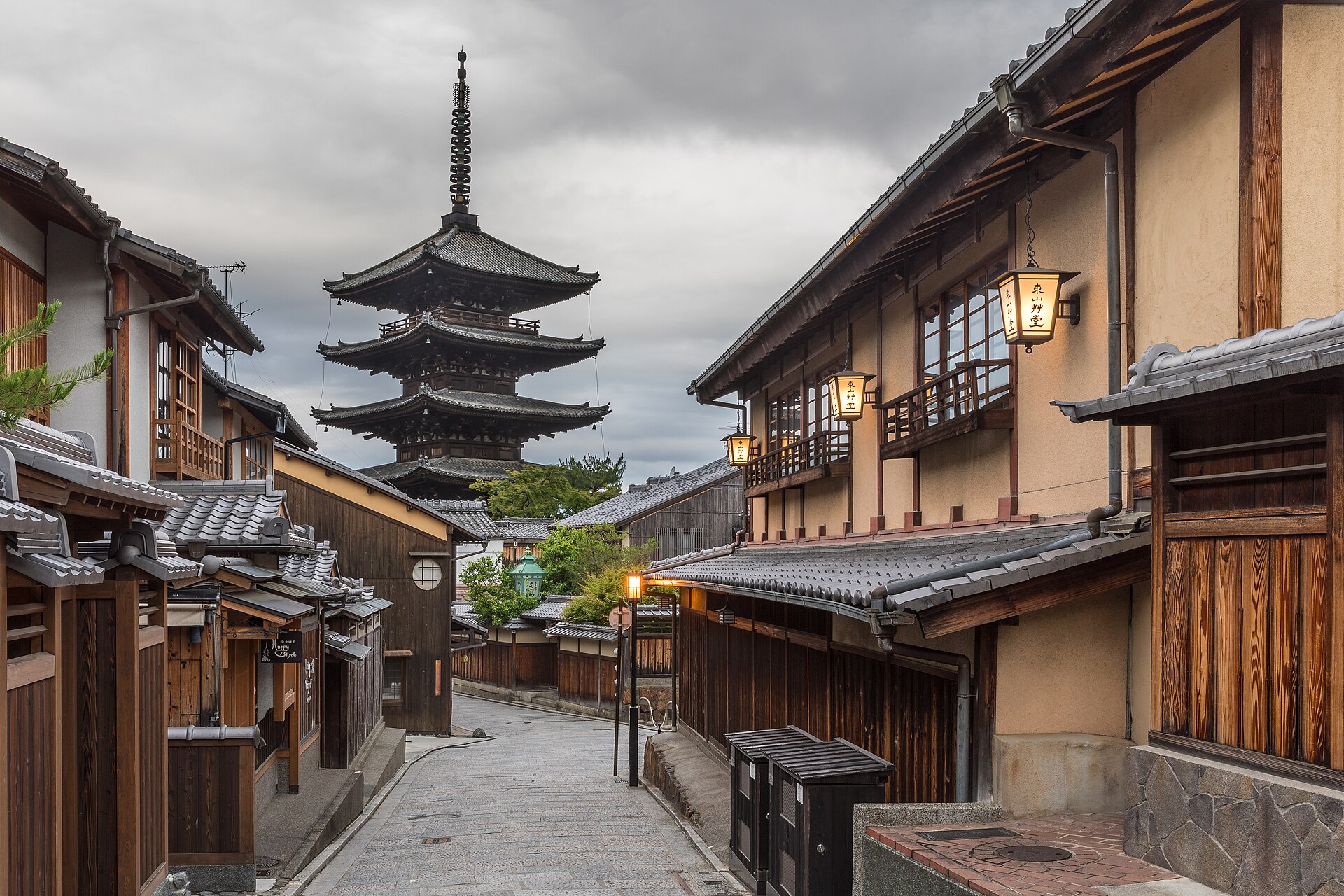
Between the two, Gion is the tea-house district where geiko (the Kyoto name for geisha) and maiko, their apprentices, live and work. In the evening, Gion Corner stages a 50-minute show of traditional arts: Kyoto dance, tea ceremony, ikebana (flower arranging), koto (Japanese zither) and kyogen (comic theatre), every evening at 6 pm and 7 pm.
The south: Fushimi Inari Taisha
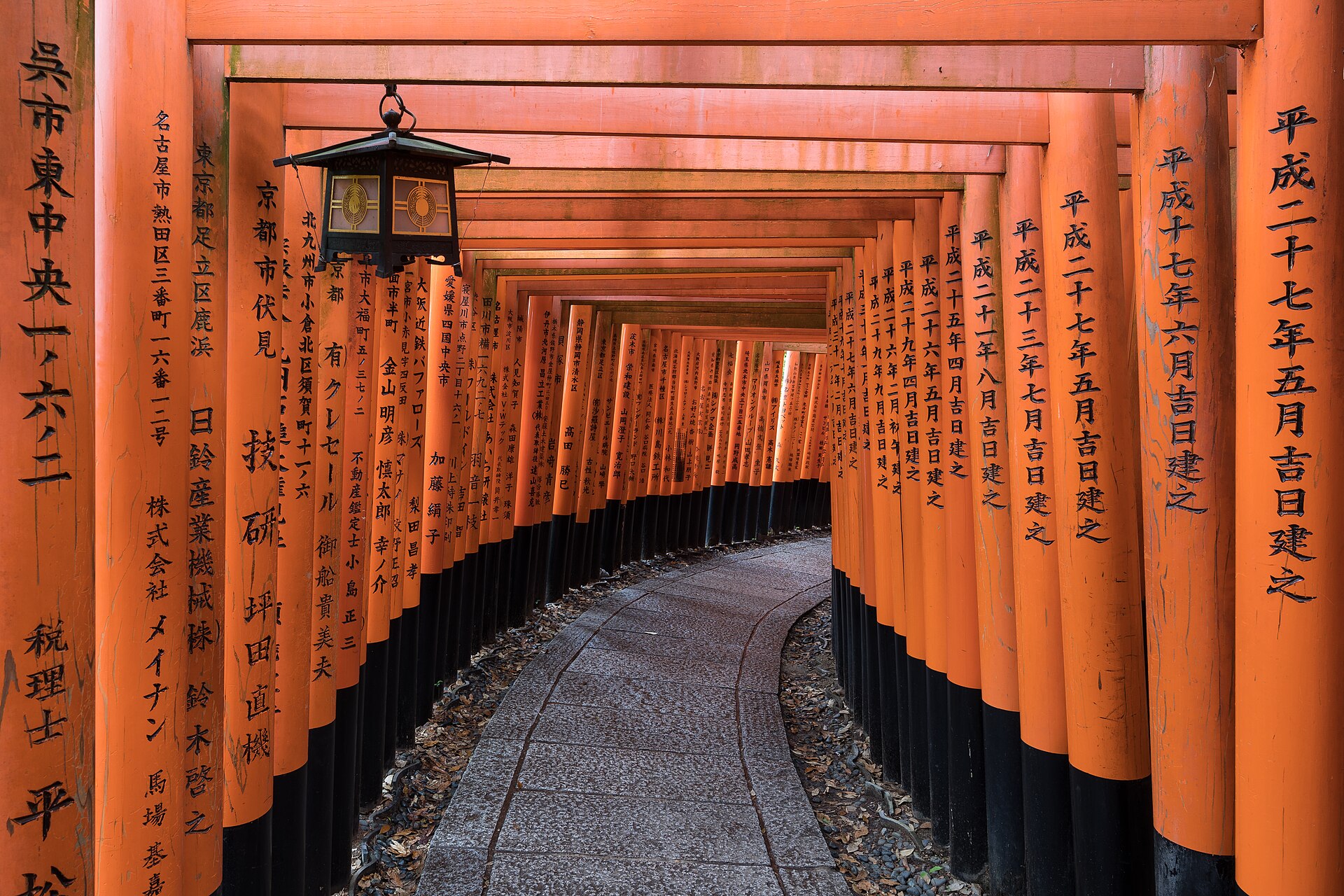
Fushimi Inari Taisha is the head shrine of the roughly 30,000 Inari shrines in Japan. It was founded in 711 on Mount Inari; about 10,000 torii, the vermilion gateways of Shinto shrines, line the mountain paths across grounds of about 87 ha. Inari Station is 5 minutes from Kyoto Station on the JR Nara Line. The shrine prohibits drones, eating while walking and photo stops that block the narrow paths.
The north-west: the Golden Pavilion
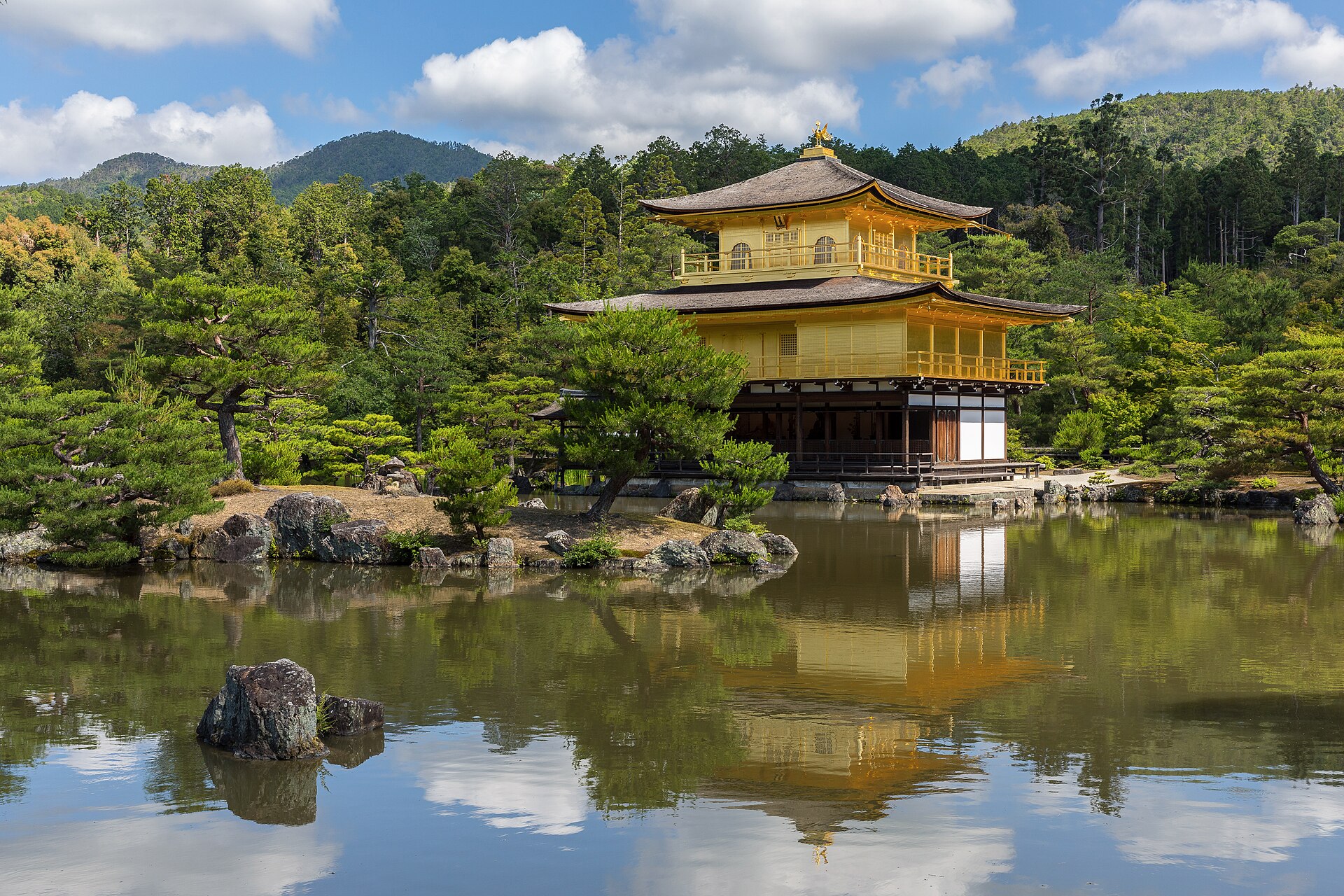
Kinkaku-ji, the Golden Pavilion, was the relic hall of the Kitayama palace, which shogun Ashikaga Yoshimitsu began building in 1397. The estate was spared by the Onin War in the 15th century. It opens from 9 am to 5 pm. Aman Kyoto is close by.
The west: Arashiyama, Katsura and the Moss Temple
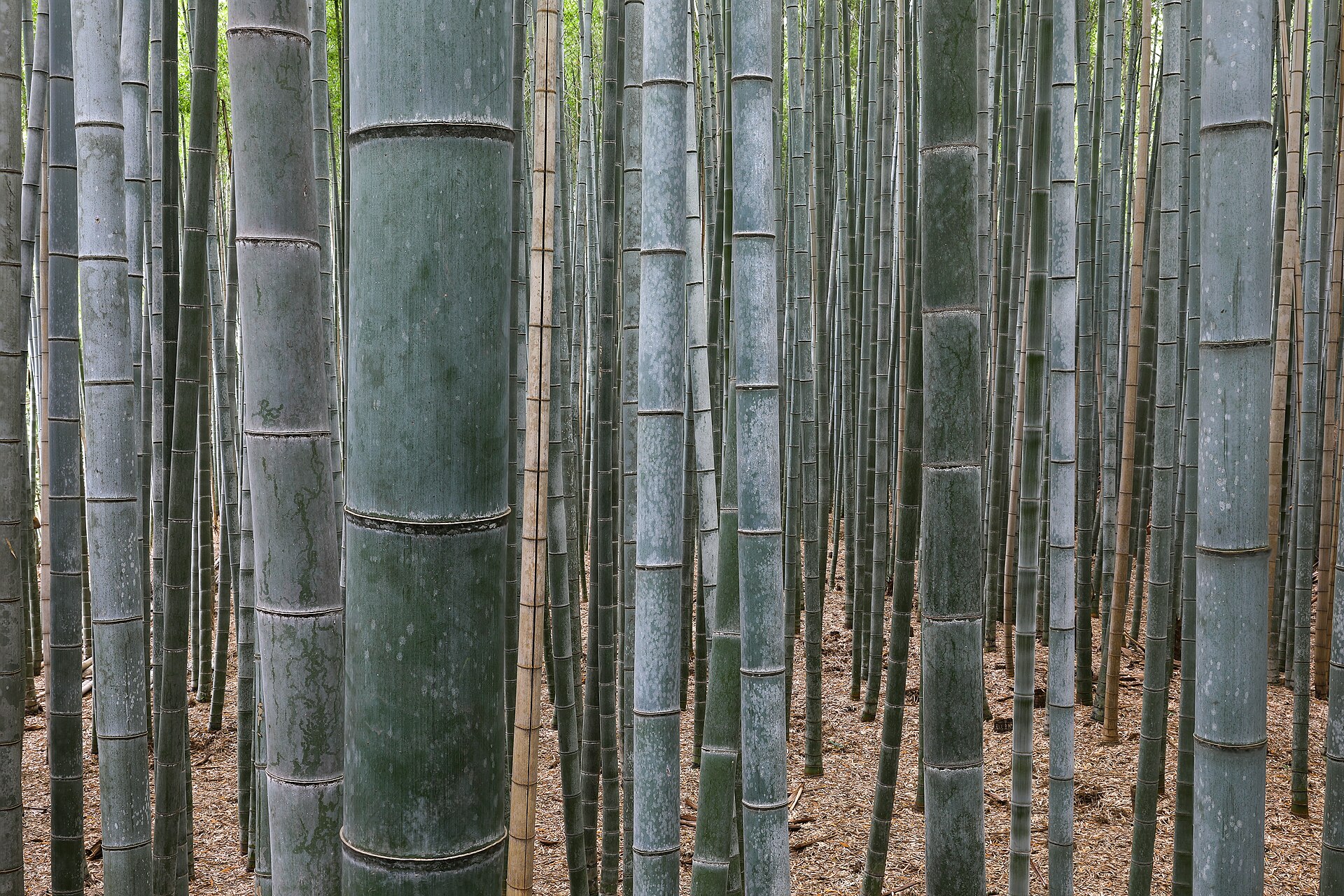
In western Kyoto, Arashiyama has its bamboo path, near Tenryu-ji temple. Carving words or symbols into the bamboo is criminal damage, punishable by a fine of up to 300,000 ¥ (about 1,692 €); the rule also applies to the bamboo at Fushimi Inari.
Further south, still in the west of the city, Katsura Imperial Villa and Saiho-ji both require a reservation. The Saiho-ji garden was laid out in the 14th century by the Zen monk Muso Kokushi; moss spread over it after wars and disasters. The visit lasts about an hour: you first copy a sutra (a Buddhist text) in the main hall, then walk freely through the garden.
Visiting rules in the old districts
In January 2024, the residents, tea houses, geiko and Kennin-ji temple of southern Gion published a message to visitors:
- do not stop, touch, follow, photograph or film a geiko or maiko without her consent;
- do not enter temples, shrines or private property without permission, meaning anywhere other than shops and streets; photography is prohibited there;
- residents may call the police, and trespassing is punishable by law with a fine of up to 100,000 ¥ (about 564 €).
The Kyoto City Tourism Association carries this message and also publishes guidelines for the whole city, including the one on bamboo. The lanes of Gion are a residential neighbourhood.
The tea ceremony
Camellia hosts private ceremonies in two tea houses:
- Camellia Garden, in the west near Ryoan-ji temple: 50 minutes, from 15,000 ¥ (about 85 €) per person;
- Camellia Flower, in Higashiyama: 45 minutes, from 8,000 ¥ (about 46 €) per person.
The first pairs with the Golden Pavilion on the same day; the second with Kiyomizu-dera and Gion.
When to visit Kyoto
Average highs recorded by the JMA (Japan Meteorological Agency) range from 9 °C in January to 34 °C in August, 2 °C above Tokyo in summer.
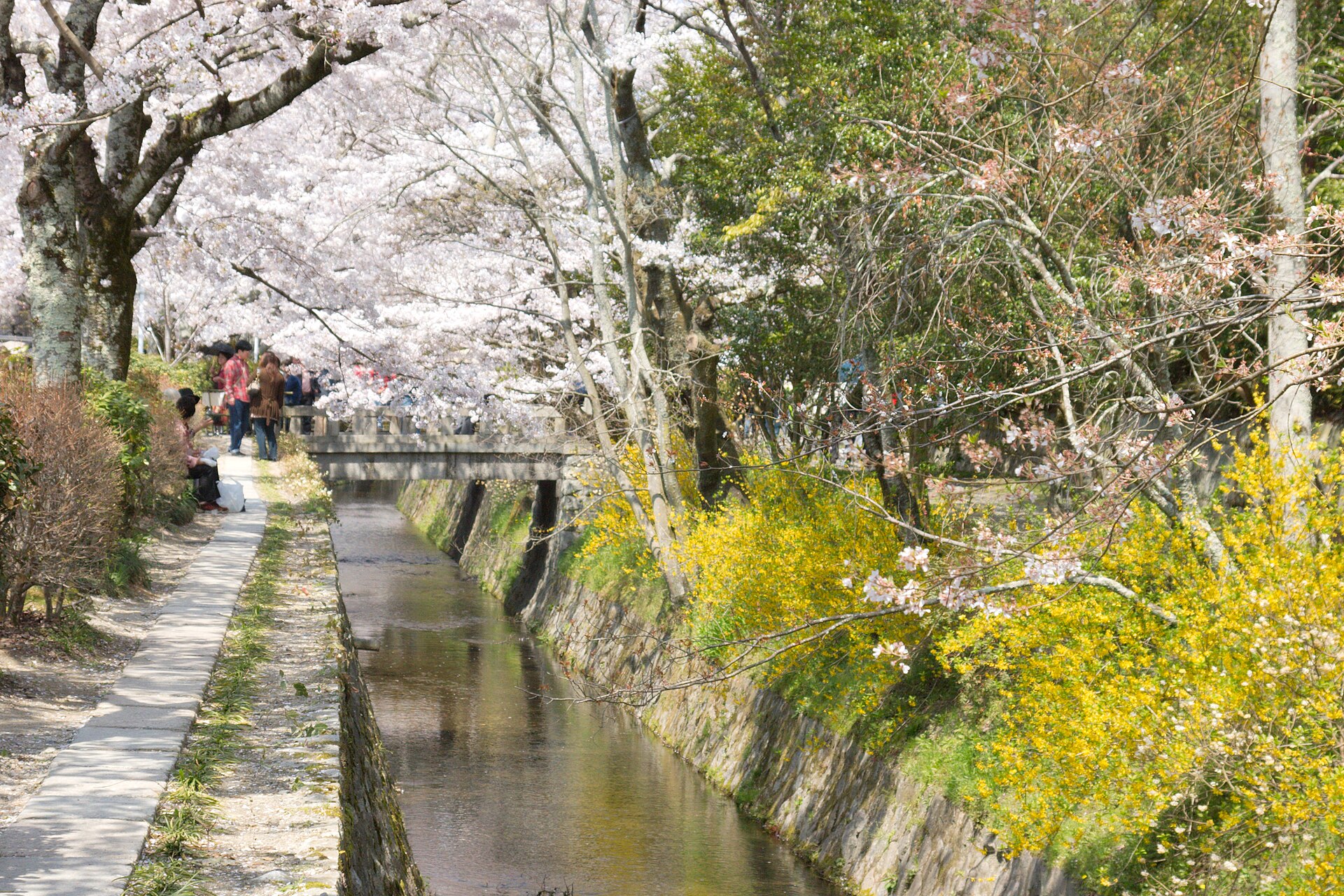
- Cherry blossom. The first flowers open on average on 26 March and full bloom arrives around 4 April (the agency's 1991-2020 averages). Highs are 14 °C in March and 20 °C in April.
- May. 25 °C highs, with the gardens in full leaf.
- Rainy season. On average from 6 June to 19 July in the Kansai region.
- Summer. 32 °C in July and 34 °C in August: sightseeing early in the morning, gardens at opening time.
- Maples. The leaves turn in late November and early December; highs are 23 °C in October and 17 °C in November.
- Winter. 9 to 12 °C from December to February.
Our guide to seasons and cherry blossom gives the dates for other cities.
Where to stay in Kyoto
The four hotels in Umika's selection cover three districts.
- Imperial Hotel Kyoto opened on 5 March 2026 in the heart of Gion, in the Yasaka Kaikan, a 1936 building registered as a cultural property, on the grounds of the Gion Kobu Kaburenjo theatre, where geiko dance the Miyako Odori in spring. Its 55 rooms and suites measure 50 to 128 m². Gion-Shijo Station is an 8-minute walk.
- Capella Kyoto opened on 22 March 2026 in Miyagawa-cho, one of the city's five geiko districts, near Kennin-ji. The hotel by architect Kengo Kuma has 89 rooms and suites of more than 50 m², including six suites with a hot-spring bath. Gion-Shijo Station is a 4-minute walk.
- Aman Kyoto occupies a forest garden in Takagamine, in the north-west, near Kinkaku-ji, 30 minutes by car from the station. Its 26 rooms, suites and pavilions, from 60 to 241 m², each have a hinoki (Japanese cypress) bath; the spa has onsen (hot-spring) baths.
- Hoshinoya Kyoto is a ryokan (Japanese inn) of 25 pavilions on the Oi River in Arashiyama, reached in 15 minutes by the inn's own boat, travelling upstream from the Togetsukyo bridge. Boats run between 2.30 pm and 5.45 pm. The ryokan accepts guests aged 12 and over.
Gion suits travellers who want to do everything on foot in the evening; Arashiyama and Takagamine, both quiet, suit a restful stay or a honeymoon. Since 1 March 2026, Kyoto has charged an accommodation tax based on the price per person per night: it is 4,000 ¥ (about 23 €) per person per night from 50,000 ¥ (about 282 €), and 10,000 ¥ (about 57 €) from 100,000 ¥ (about 564 €). Our guide to money and taxes gives the full scale. Kyoto features in Tokyo, Hakone, Kyoto and Osaka in 12 days and in the 11-day honeymoon itinerary.
What to see
- Kiyomizu-dera — Buddhist temple whose history goes back more than 1,250 years; the wooden main hall was rebuilt in 1633; opens at 6 am (local time), closing time varies with the season; night openings on dates that change every year Kiyomizu-dera, site officiel (horaires)
- Fushimi Inari Taisha — head shrine of the roughly 30,000 Inari shrines in Japan, founded in 711 on Mount Inari; about 10,000 torii gates line the mountain paths across grounds of about 87 ha; 5 min from Kyoto Station on the JR Nara Line (Inari Station); drones, eating while walking and photo stops that block the narrow paths are prohibited Fushimi Inari Taisha, site officiel (questions fréquentes, accès, consignes)
- Kinkaku-ji (Golden Pavilion) — relic hall of the Kitayama palace, which shogun Ashikaga Yoshimitsu began building in 1397; spared by the Onin War in the 15th century; open 9 am-5 pm (local time) Shōkoku-ji, Kinkaku-ji (histoire et accès)
- Ginkaku-ji (Silver Pavilion) — villa of shogun Ashikaga Yoshimasa, begun in 1482; the Togu-do, his private chapel, was completed in 1486 and the Kannon Hall begun in 1489; they are the only two buildings that survived the 1550 fire; open 8.30 am-5 pm from 1 March to 30 November, 9 am-4.30 pm from 1 December to the end of February (local time) Shōkoku-ji, Ginkaku-ji (histoire et accès)
- Southern Gion, the geiko district — tea-house district where geiko and maiko live and work; message from residents, tea houses, geiko and Kennin-ji temple (January 2024): do not stop, touch, follow, photograph or film a geiko or maiko without her consent, and do not enter temples, shrines or private property (anywhere other than shops and streets) without permission, where photography is prohibited; residents may call the police; trespassing is punishable by law with a fine of up to ¥100,000; dance and traditional arts show at Gion Corner every evening at 6 pm and 7 pm (local time) Kyoto City Tourism Association, Gion : message du conseil de Gion sud
- Katsura Imperial Villa — guided tour only, by reservation: online from 5 am on the 1st of the month three months before the visit until 11.59 pm three days before, or walk-in registration subject to availability; English tours at 9.20, 11.20 am, 1.20, 3.20 and 4.20 pm; closed on Mondays (Tuesday if Monday is a public holiday) and from 28 December to 4 January (local time) Agence de la Maison impériale, villa impériale de Katsura
- Saiho-ji (Moss Temple) — garden laid out in the 14th century by the Zen monk Muso Kokushi, where moss spread after wars and disasters; small-group visits by reservation only since 1977, at least one day ahead; about 60 minutes: copying a sutra in the main hall, then a free walk through the garden Saihō-ji, site officiel
- Arashiyama bamboo grove — bamboo path in western Kyoto, near Tenryu-ji; carving words or symbols into the bamboo is criminal damage, punishable by a fine of up to ¥300,000, a rule that also applies to the bamboo at Fushimi Inari Kyoto City Tourism Association, quatre consignes pour visiter Kyoto (octobre 2026)
When to go
Climate in Kyoto
| Jan | Feb | Mar | Apr | May | Jun | Jul | Aug | Sep | Oct | Nov | Dec | |
|---|---|---|---|---|---|---|---|---|---|---|---|---|
| Max. (°C) | 9.1 | 10.0 | 14.1 | 20.1 | 25.1 | 28.1 | 32.0 | 33.7 | 29.2 | 23.4 | 17.3 | 11.6 |
Source: JMA (agence météo japonaise), normales 1991-2020 de la station de Kyoto (47759) — 1991-2020, accessed 30 October 2026
Getting there
- From Tokyo: Tokaido Shinkansen Nozomi to Kyoto Station, about 130 min (Hikari, about 170 min) Kyoto City Tourism Association, se rendre à Kyoto
- Kansai Airport: JR Haruka limited express direct to Kyoto, about 80 min; Itami Airport: limousine bus to Kyoto Station, about 50-55 min Kyoto City Tourism Association, se rendre à Kyoto
- From Osaka: JR Special Rapid from Osaka Station to Kyoto Station, about 30 min; Keihan line from Yodoyabashi to Gion-Shijo, about 48 min Kyoto City Tourism Association, se rendre à Kyoto
Chosen activities
- Private tea ceremony at Camellia Garden teahouse, near Ryoan-ji — 50 minutes · from 85 € per person
Public price collected on: Camellia Tea Ceremony, Garden Teahouse — accessed 30 October 2026
- Private tea ceremony at Camellia Flower teahouse, Higashiyama — 45 minutes · from 46 € per person
Public price collected on: Camellia Tea Ceremony, Flower Teahouse — accessed 30 October 2026
- Traditional arts show at Gion Corner: Kyoto dance, tea ceremony, ikebana, koto, kyogen — 50 minutes
- Saiho-ji visit with sutra copying — about 1 hour
Best months to go
Itineraries through this region
- Tokyo, Toranomon · 2 nights
- Kanazawa · 3 nights
- Hida, Takayama (via Shirakawa-go) · 2 nights
- Kyoto, Higashiyama · 2 nights
- Tokyo, Otemachi · 3 nights
- Hakone, Gora · 2 nights
- Kyoto, Gion · 4 nights
- Osaka · 2 nights
- Tokyo, Shinjuku · 3 nights
- Hakone, Gora · 2 nights
- Kyoto, Arashiyama · 3 nights
- Seto Inland Sea, aboard Guntû · 2 nights
- Kyoto, Arashiyama · 3 nights
- Miyajima · 2 nights
- Setoda, Ikuchijima · 2 nights
- Naoshima · 2 nights
Hotels chosen in the region
| Hotel | Category | Suits | Guest rating | Indicative price |
|---|---|---|---|---|
| Aman Kyoto | ryokan-style luxury hotel, pavilions in a forest garden | Cherry blossoms and autumn leaves, Onsen and hot springs, Temples, shrines and gardens, Food and gastronomy, Art, architecture and design, Hiking and ancient trails, Family, Honeymoon | 4,3/5 (Google) | from 3,999 € per night |
| Capella Kyoto | contemporary luxury hotel by Kengo Kuma, in a geiko district | Onsen and hot springs, Temples, shrines and gardens, Food and gastronomy, Art, architecture and design, Honeymoon | 4,5/5 (Google) | from 2,824 € per night |
| Hoshinoya Kyoto | luxury riverside ryokan, reached by boat | Cherry blossoms and autumn leaves, Temples, shrines and gardens, Food and gastronomy, Art, architecture and design, Honeymoon, Ryokans, Adults only | 4,3/5 (Google) | from 716 € per night |
| Imperial Hotel, Kyoto | luxury hotel in a listed 1936 building, the Yasaka Kaikan | Temples, shrines and gardens, Food and gastronomy, Art, architecture and design, Family, Honeymoon | 4,7/5 (Google) | from 999 € per night |
Read next
Frequently asked questions
How many days do you need in Kyoto?
Four to five nights for a first trip. That leaves a day for the east (Kiyomizu-dera, Gion, Ginkaku-ji), one for Fushimi Inari and the Golden Pavilion, one for the west (Arashiyama, Katsura or the Moss Temple), and time for a tea ceremony or a day trip to Nara.
Do you need to book Katsura Imperial Villa and the Moss Temple?
Yes. Katsura can only be visited on a guided tour: online booking opens at 5 am on the 1st of the month, three months ahead, and a few places are given out on the day. Saiho-ji, the Moss Temple, admits visitors only by reservation made at least one day ahead.
Can you photograph geiko in Gion?
Only with their consent. The residents and tea houses of southern Gion ask visitors not to stop, follow, touch, photograph or film a geiko or maiko without permission. Trespassing on private property is punishable by a fine of up to 100,000 ¥ (about 564 €).
How do you get from Tokyo to Kyoto?
The Nozomi on the Tokaido Shinkansen links Tokyo with Kyoto Station in about 130 minutes, the Hikari in about 170 minutes. From Kansai Airport, the Haruka express takes about 80 minutes.
What is the best season for Kyoto?
Spring and autumn. Cherry trees flower on average from 26 March to early April, and the maples turn in late November and early December. July and August have average highs above 32 °C.
A travel advisor replies by email. Free, no commitment.