Tokyo
Tokyo is Japan's gateway, 15 to 20 min by train from Haneda Airport and 41 min from Narita by Skyliner. Visitors come for Senso-ji temple in Asakusa, Meiji Jingu shrine in its 70-hectare forest, the Tokyo National Museum in Ueno and the gardens of former Edo Castle. Spring and autumn are the best seasons: highs range from 14 to 24 °C from March to May and 17 to 22 °C in October and November.
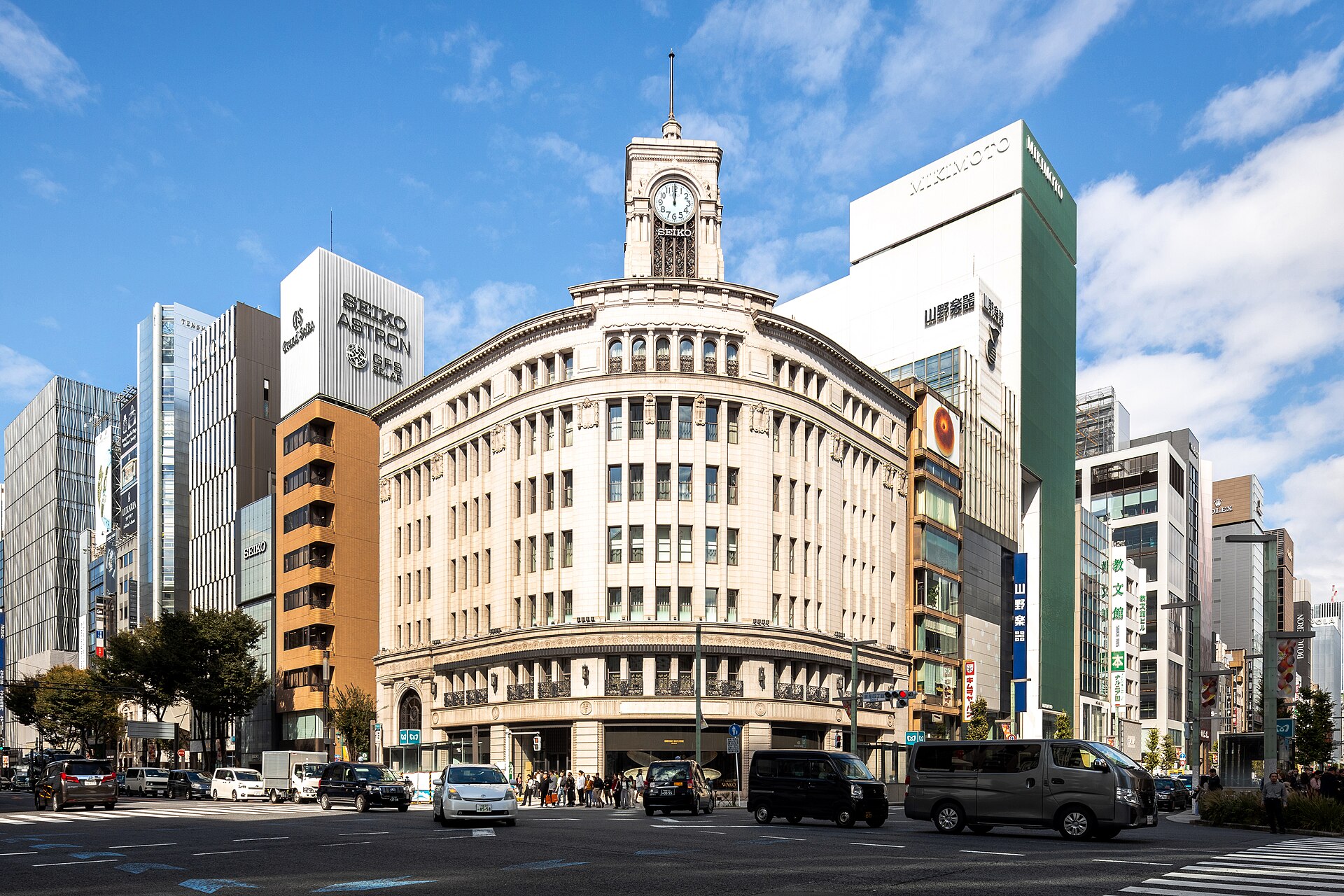
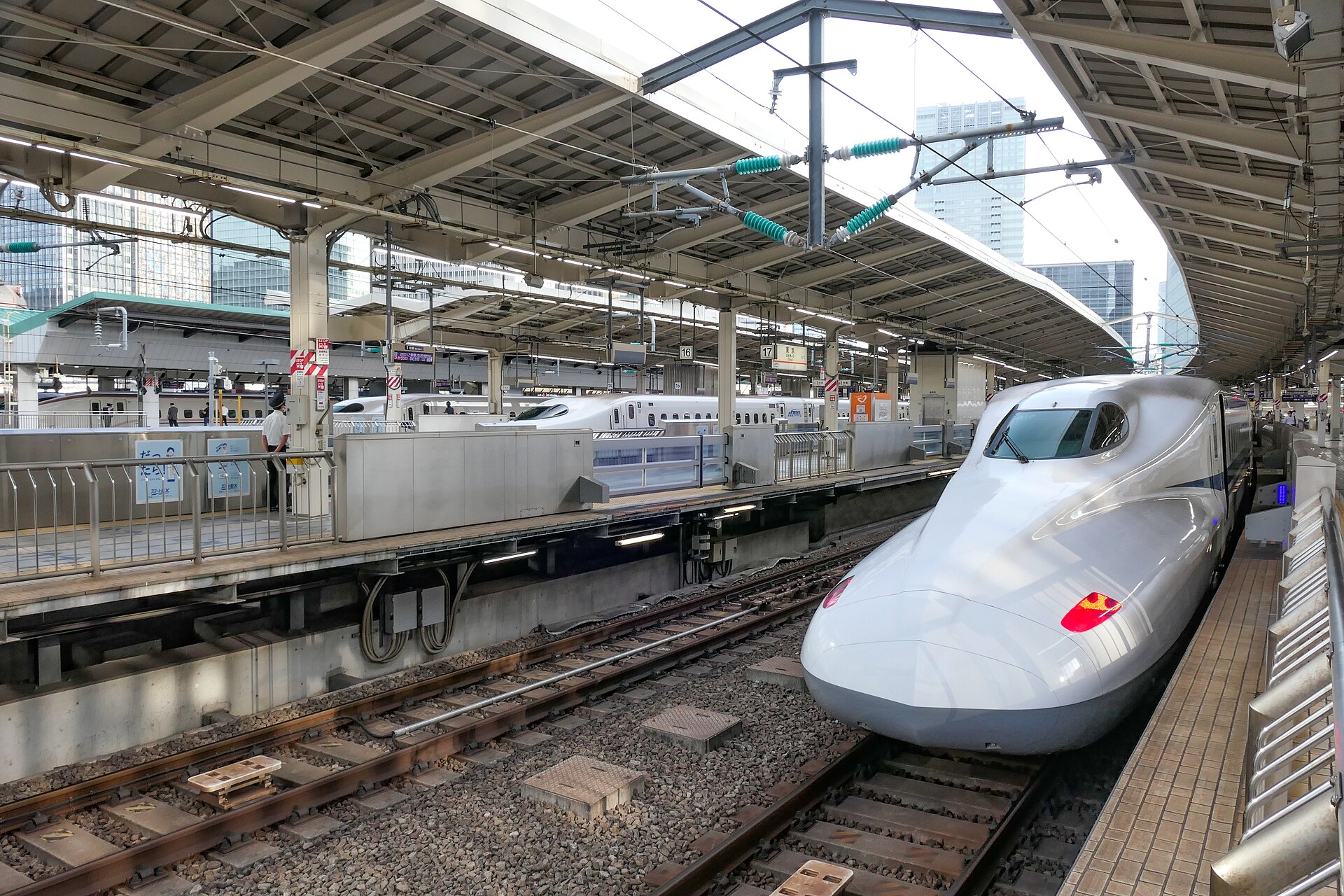
Tokyo is where almost every trip to Japan begins and ends: its two airports, Haneda and Narita, receive the flights from Europe, and Tokyo Station is the starting point of the Shinkansen (bullet train) to Kyoto. Allow three to five nights for a first visit, split between the start and the end of the trip. The city is best explored district by district: temples and museums in the east around Asakusa and Ueno, the gardens of former Edo Castle in the centre, and Meiji Jingu shrine and the Shinjuku towers in the west.
Arriving and getting around
Haneda is the airport closest to the centre: about 15 minutes by train to Shinagawa Station and 20 minutes by monorail to Hamamatsucho. Narita, further east, is linked to Keisei-Ueno Station by Keisei's Skyliner in as little as 41 minutes; Ueno is the museum district. By taxi or car, the hotels in our selection are 20 to 40 minutes from Haneda and 60 to 70 minutes from Narita.
Within the city, the metro and JR lines (Japan Railways, the companies that succeeded the former national railways) serve every district mentioned here. Our guide to trains and the Japan Rail Pass explains travel cards and Shinkansen tickets.
The east: Asakusa and Ueno
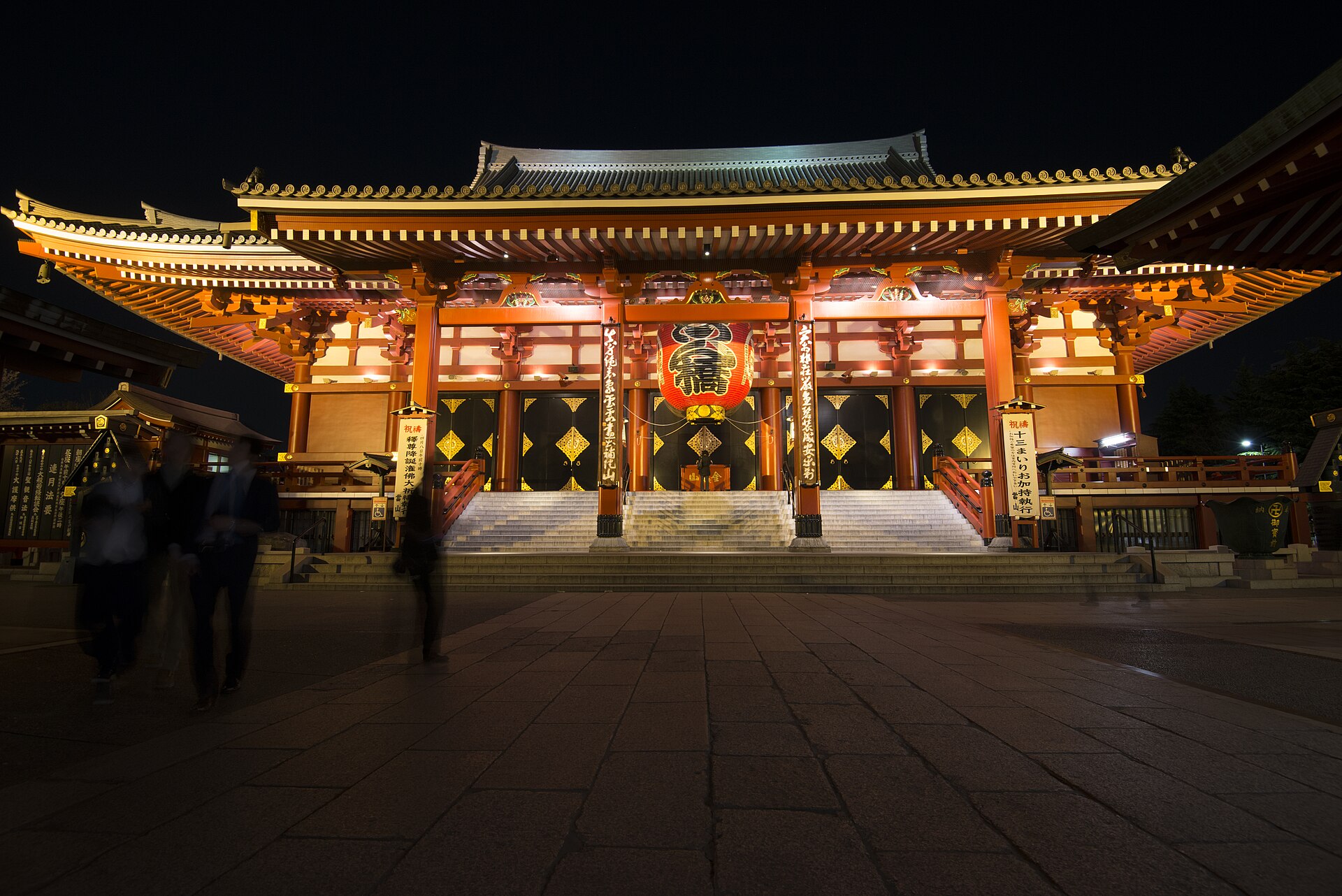
Senso-ji, in Asakusa, is a Buddhist temple whose tradition dates the appearance of its principal image to 628. The main hall opens at 6 am from April to September and at 6.30 am from October to March, and closes at 5 pm; the temple grounds are open to walk through. Arriving at opening time lets you see the temple before the tour groups.
In Ueno Park, the Tokyo National Museum holds art and archaeology from Japan and the rest of Asia. It opens from 9.30 am to 5 pm, until 8 pm on Fridays, Saturdays and the day before a Monday public holiday, and is closed on Mondays. Entry to the collection galleries costs 1,000 ¥ (about 6 €).
The centre: the gardens of former Edo Castle
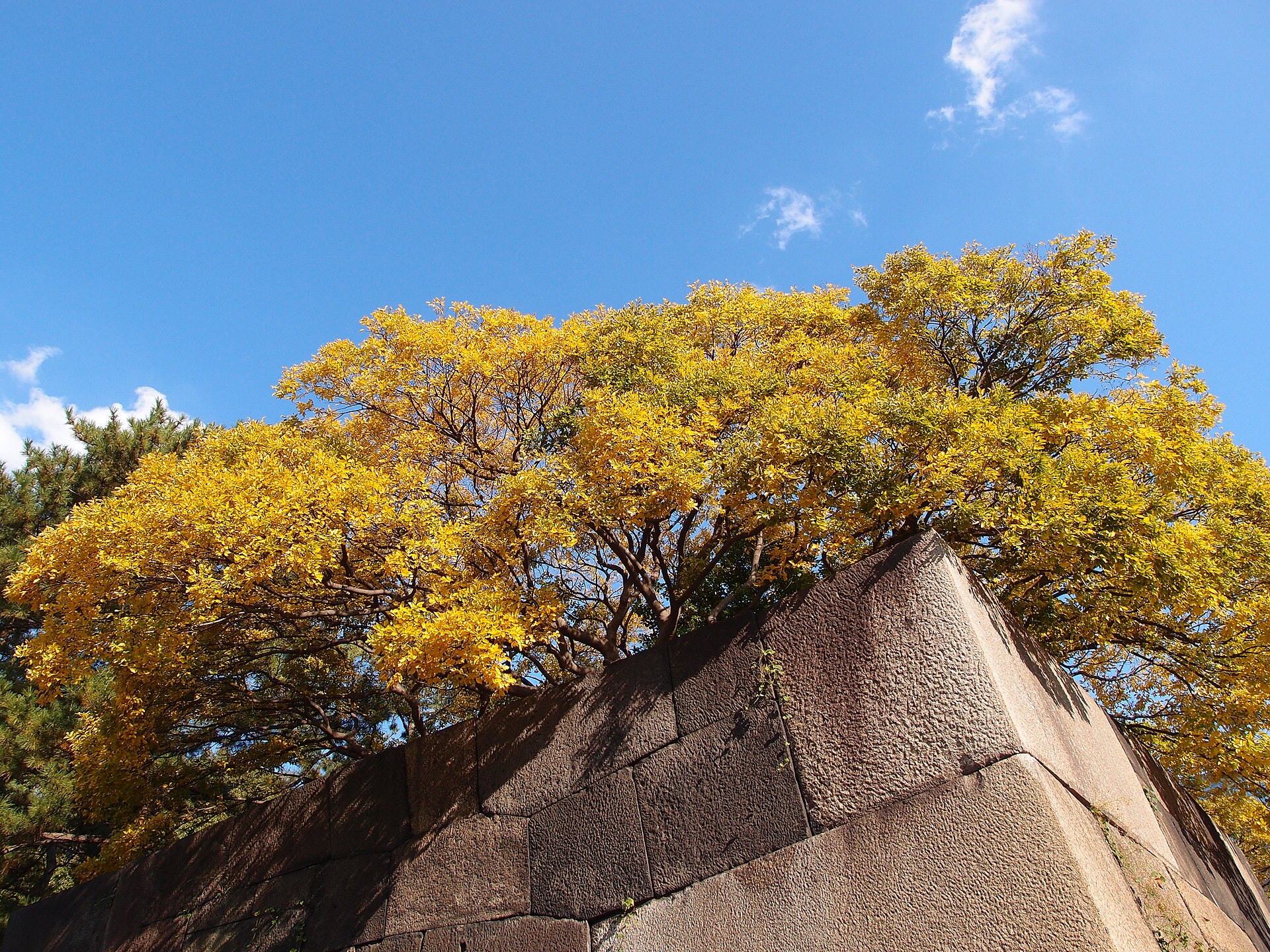
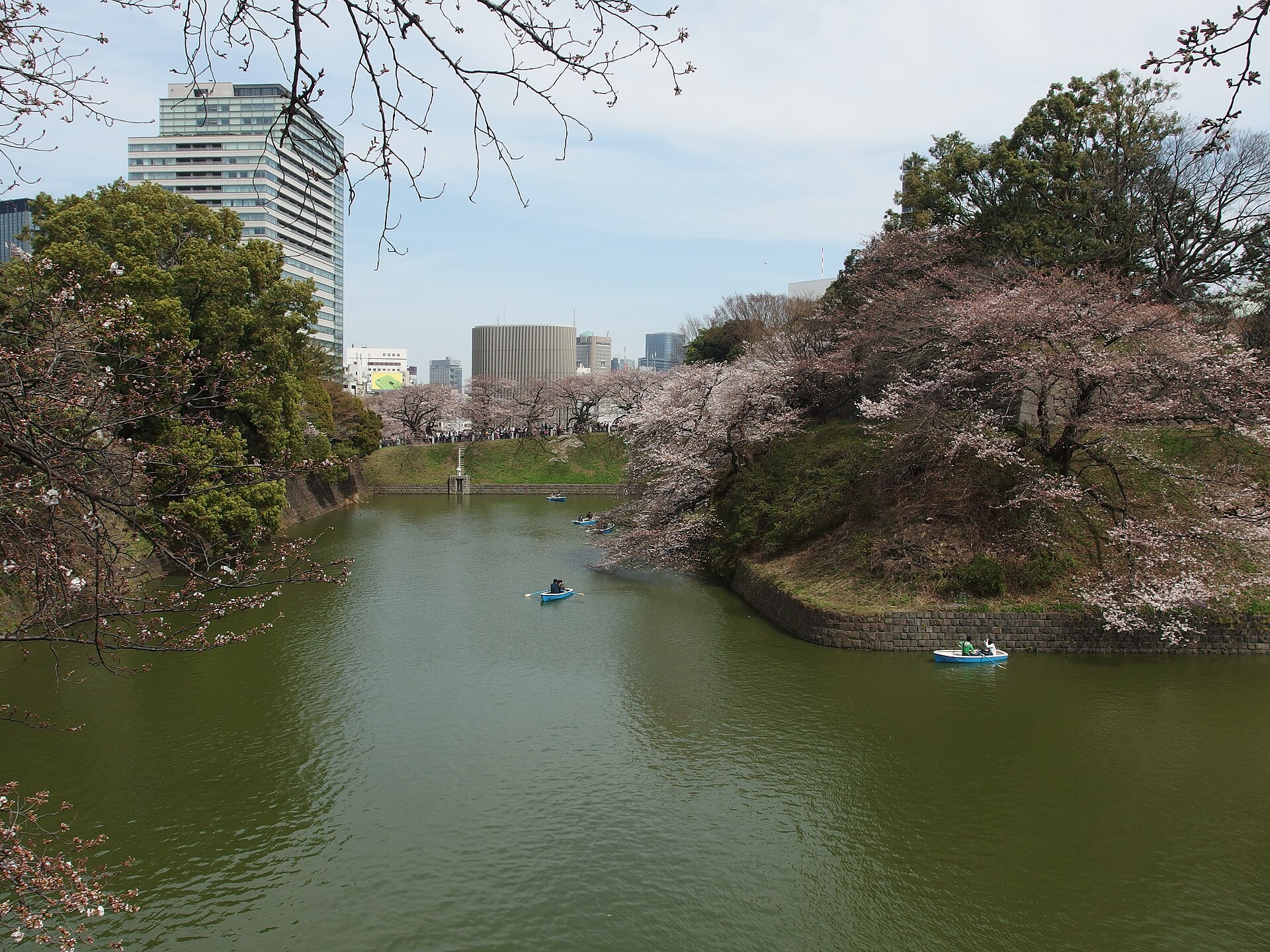
The Imperial Palace stands on the site of Edo Castle, seat of the Tokugawa shoguns. The East Gardens are laid out on three of its former enclosures, Honmaru, Ninomaru and Sannomaru, and have been open to the public since 1968. Entry is free. They are closed on Mondays and Fridays; they open at 9 am and close at 4 pm from November to February, and at 6 pm from 15 April to 31 August. They are close to Otemachi, where two of our selected hotels stand.
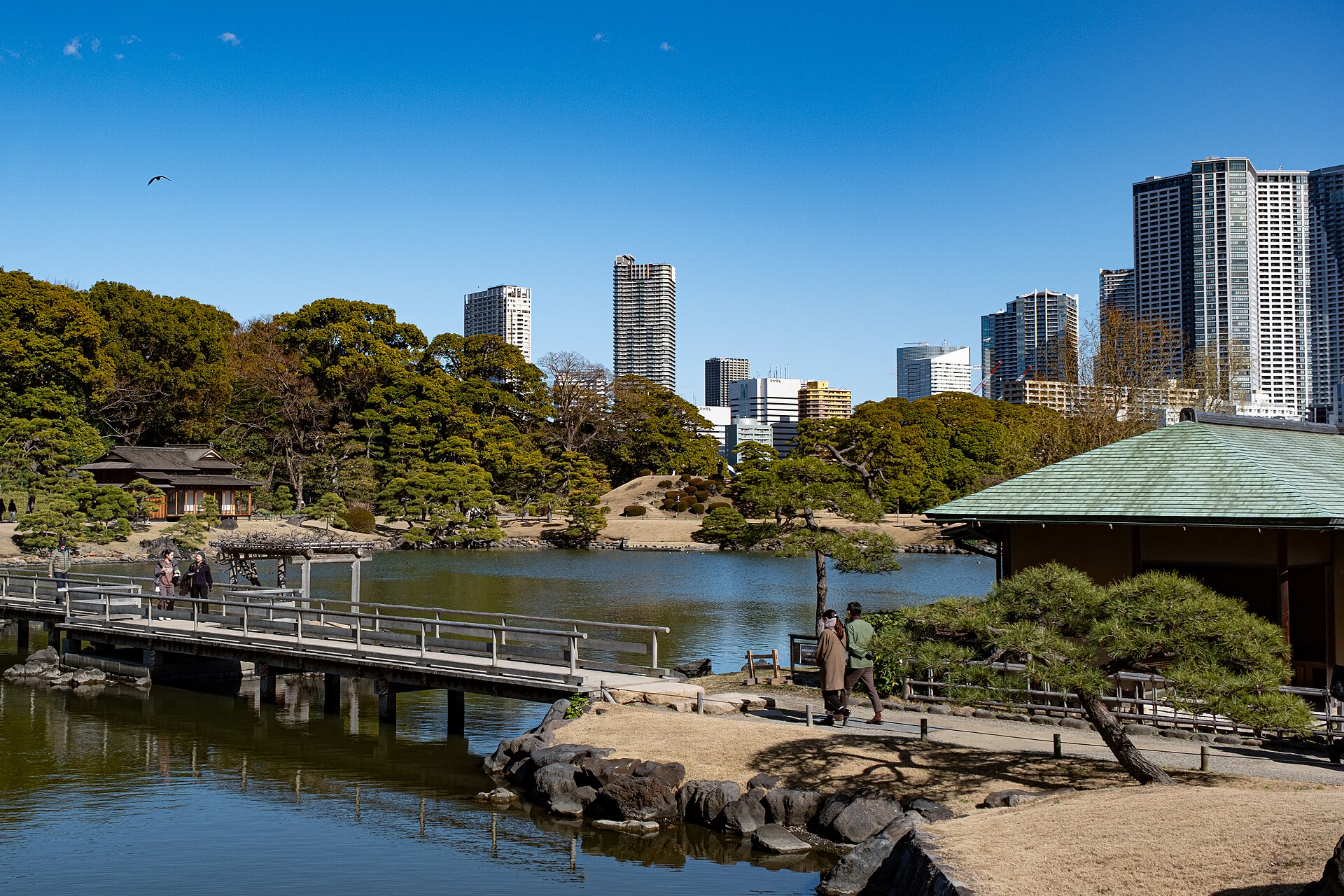
Further south, on the bay, Hama-rikyu Gardens began in 1654 as a residence of the Tokugawa family, on land reclaimed from the sea. Its pond is fed by seawater and rises and falls with the tide; two former duck-hunting sites survive.
The west: Meiji Jingu, Shinjuku and Mitaka
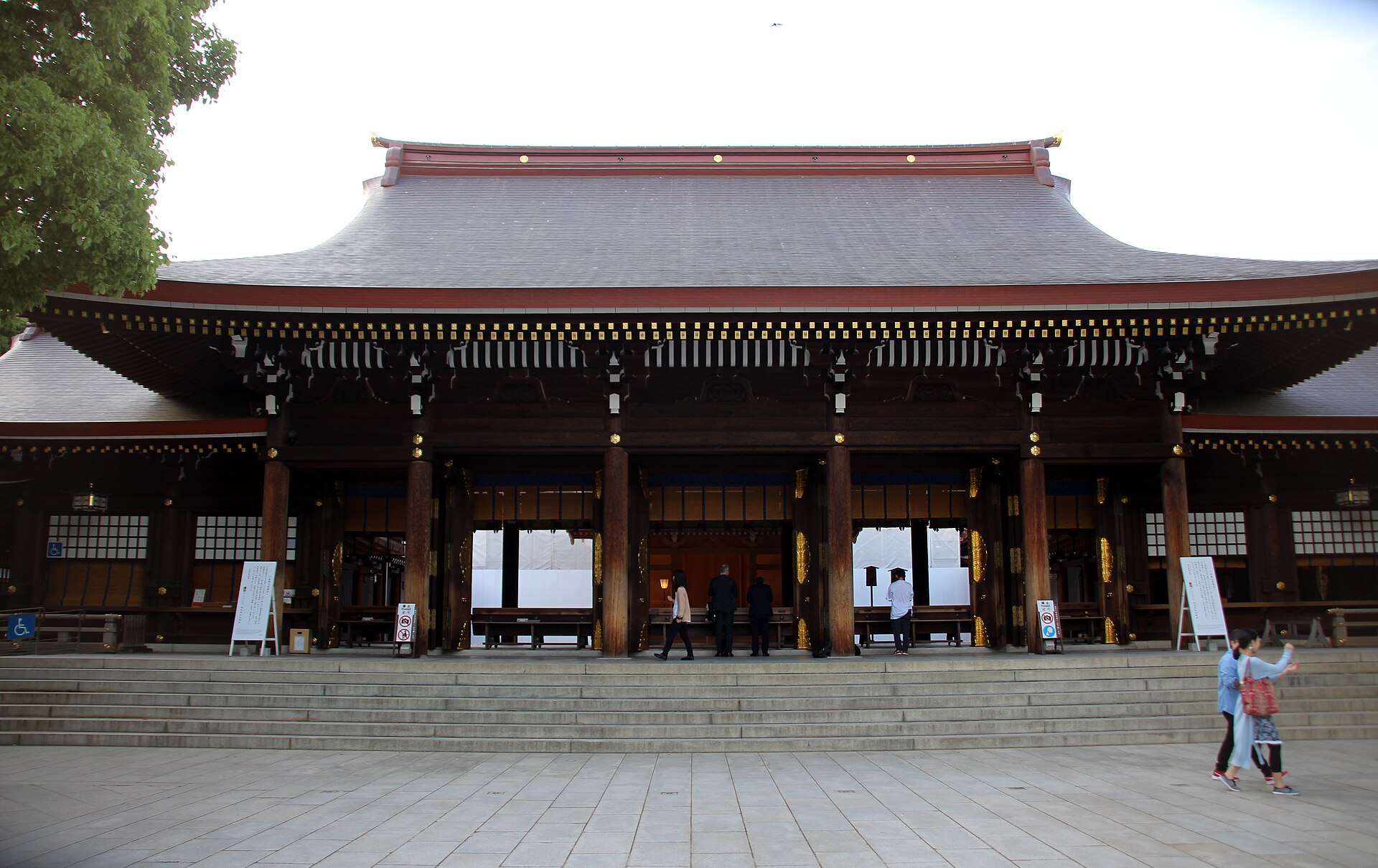
Meiji Jingu is a Shinto shrine founded in 1920 in memory of Emperor Meiji and Empress Shoken. It stands in a 70-hectare forest. Entry is free every day, from sunrise to sunset: 5.40 am to 4.40 pm in October, 6.10 am to 4.10 pm in November. You enter beneath a torii, the gateway that marks the entrance to a Shinto shrine.
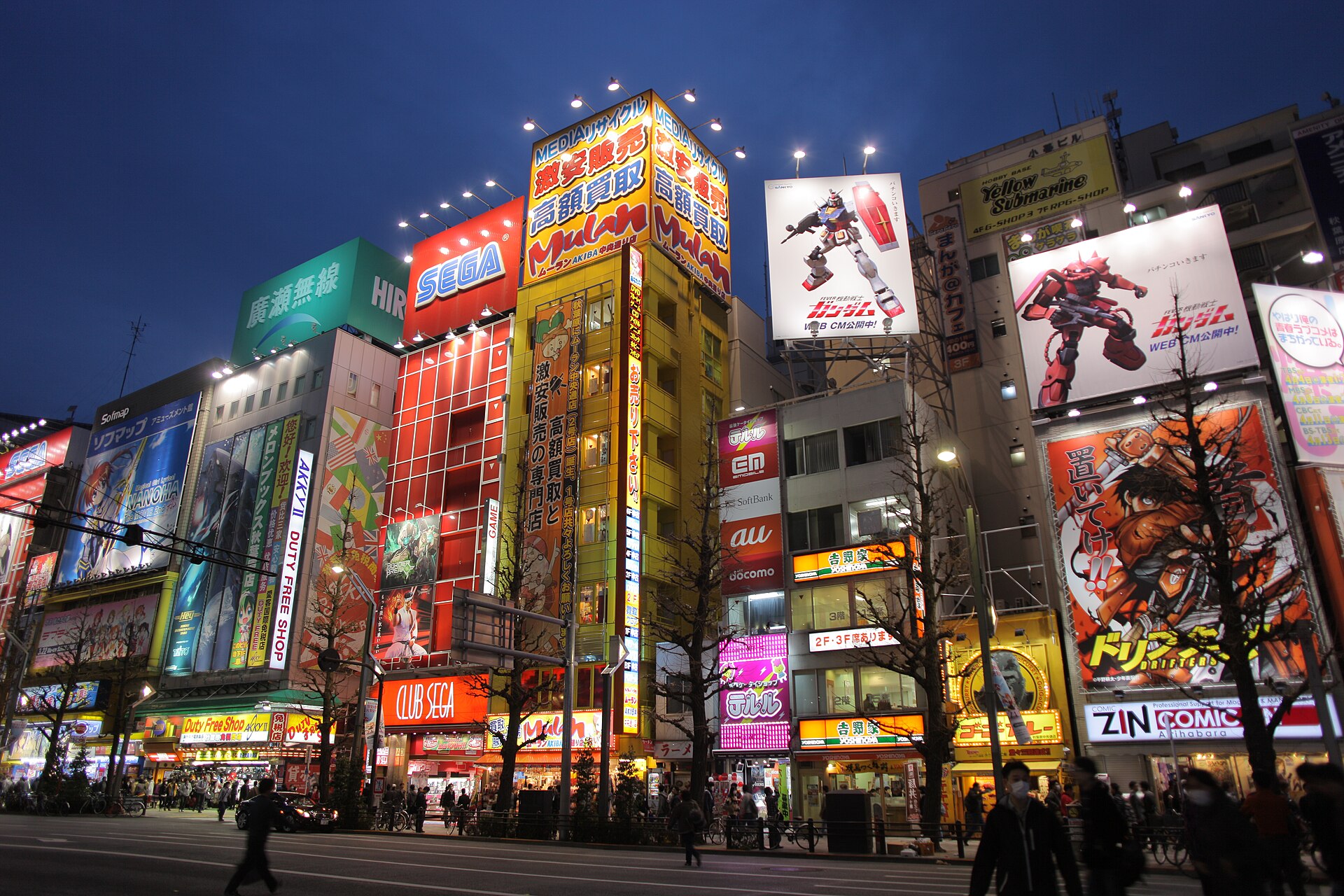
To the north, Shinjuku is the district of office towers and high-rise hotels; Kabukicho is one of the city's nightlife districts.
The Ghibli Museum, devoted to the Ghibli animation studio, is in Mitaka: 20 minutes by train from Shinjuku on the JR Chuo Line, then a 15-minute walk. It opens from 10 am to 6 pm and costs 1,000 ¥ (about 6 €) per adult. Entry is by advance reservation only, with a dated ticket: tickets for the following month go on sale through Lawson Ticket at 10 am on the 10th of each month. For an April trip, sales therefore open on 10 March.
The tea ceremony
Two Tokyo hotels welcome visitors for a tea ceremony in garden tea houses:
- Hotel Chinzanso, Zangetsu tea house: a private ceremony of about an hour, from 90,000 ¥ (about 508 €) for a group of one to three people, to be booked at least ten days ahead.
- Keio Plaza Hotel, Sho-Fu-An tea room in Shinjuku: 1.5 to 2 hours, including preparing your own matcha (powdered green tea), for 10,000 ¥ (about 57 €) per person.
The Chinzanso tea house suits a couple or a family who want time alone with the tea master; the Keio Plaza, in the heart of Shinjuku, fits into a day of sightseeing.
When to visit Tokyo
Average highs recorded by the JMA (Japan Meteorological Agency) range from 10 °C in January to 31 °C in August. Spring and autumn are the most comfortable seasons for walking: 14 °C in March, 19 °C in April, 24 °C in May, 22 °C in October and 17 °C in November.
- Cherry blossom. The first flowers open on average on 24 March and full bloom arrives around 31 March, according to the agency's 1991-2020 records. This is the week to book earliest.
- Maples and ginkgos. The leaves turn in late November, at the end of the mild season.
- Rainy season. It lasts on average from 7 June to 19 July in the Tokyo region; July and August are then hot and humid, with highs of 30 to 31 °C.
- Winter. From December to February, highs stay between 10 and 12 °C.
Our guide to seasons and cherry blossom compares flowering dates across the cities of a trip.
Evenings in the nightlife districts
Kabukicho, Roppongi, Shibuya and Ikebukuro are Tokyo's bar and club districts. Your country's advice for these areas at night is shown on this page: it covers drink spiking and credit card fraud. Before you travel, also check France Diplomatiediplomatie.belgium.beDFAE (eda.admin.ch)mae.gouvernement.luGOV.UK (FCDO)ireland.ie (DFA)Auswärtiges AmtRegeringen (UD)Udenrigsministeriet (um.dk)RegjeringenOdyseusz (MSZ)MZV ČRBMEIANederland WereldwijdViaggiare Sicuriexteriores.gob.esPortal das ComunidadesUlkoministeriö (um.fi).
Where to stay in Tokyo
The four hotels in Umika's selection are in the business districts of the centre and west, right by the metro.
- Aman Tokyo occupies the top floors of Otemachi Tower, connected to Otemachi metro station and close to Tokyo Station. Its 84 suites, from 71 to 157 m², have Japanese furo baths; those facing west look over the Imperial Palace gardens and, on clear days, Mount Fuji. The 2,500 m² spa has a 30-metre indoor pool.
- Hoshinoya Tokyo is a 17-storey ryokan (traditional Japanese inn), also in Otemachi. Each guest floor groups six rooms around a tea lounge open day and night; on the 17th floor, indoor and open-air hot-spring baths are fed by a source drawn from 1,500 m down. The corridors are laid with tatami, the rice-straw mats of Japanese houses.
- Park Hyatt Tokyo occupies floors 39 to 52 of Shinjuku Park Tower. It reopened on 9 December 2025 after 19 months of work, with 171 rooms and suites from 55 to 290 m², a pool beneath a glass roof and the New York Grill & Bar on the 52nd floor.
- The Okura Tokyo, a house founded in 1962, is in Toranomon. It combines a 41-storey tower with a lower garden wing, its own art museum and a 25-metre pool. Its spa, pool and baths close for maintenance from 12 to 15 January 2027.
For a first trip, Otemachi is the most practical base: Tokyo Station is within walking distance for trains to Hakone or Kyoto. Shinjuku suits travellers who want the towers, the views and the direct Romancecar to Hakone. These hotels are combined with the next stops in the itinerary Tokyo, Hakone, Kyoto and Osaka in 12 days.
What to see
- Senso-ji (Asakusa) — Buddhist temple in Asakusa; temple tradition dates the appearance of its principal image to 628; main hall open 6 am-5 pm, from 6.30 am October to March (local time) Sensō-ji, site officiel
- Meiji Jingu Shrine — Shinto shrine established in 1920 in memory of Emperor Meiji and Empress Shoken, set in a 70-hectare forest; open daily, free entry, sunrise to sunset: 5.40 am-4.40 pm in October, 6.10 am-4.10 pm in November (local time) Meiji Jingū, site officiel
- Tokyo National Museum (Ueno) — Japanese and Asian art and archaeology; 9.30 am-5 pm, until 8 pm on Fridays, Saturdays and the day before a Monday holiday; closed Mondays; collection galleries ¥1,000 (local time) Musée national de Tokyo, site officiel
- East Gardens of the Imperial Palace — gardens laid out on the former Honmaru, Ninomaru and Sannomaru enclosures of Edo Castle, open to the public since 1968; free entry; closed Mondays and Fridays; 9 am-4 pm November to February, until 6 pm from 15 April to 31 August (local time) Agence de la Maison impériale, jardins est
- Hama-rikyu Gardens — Edo-period garden that began in 1654 as a Tokugawa family residence on land reclaimed from the bay; tidal pond fed by seawater and two former duck-hunting sites Tokyo Metropolitan Park Association, Hama-rikyū
- Ghibli Museum (Mitaka) — museum of the Ghibli animation studio; 10 am-6 pm (local time); ¥1,000 (adult); entry by advance reservation only, dated tickets go on sale at 10 am on the 10th of each month for the following month via Lawson Ticket; 20 min by train from Shinjuku to Mitaka (JR Chuo Line), then a 15-min walk Musée Ghibli, site officiel
When to go
Climate in Tokyo
| Jan | Feb | Mar | Apr | May | Jun | Jul | Aug | Sep | Oct | Nov | Dec | |
|---|---|---|---|---|---|---|---|---|---|---|---|---|
| Max. (°C) | 9.8 | 10.9 | 14.2 | 19.4 | 23.6 | 26.1 | 29.9 | 31.3 | 27.5 | 22.0 | 16.7 | 12.0 |
Source: JMA (agence météo japonaise), normales 1991-2020 de la station de Tokyo (47662) — 1991-2020, accessed 30 October 2026
Getting there
- Haneda Airport: about 15 min to Shinagawa Station and 20 min to Hamamatsucho Aéroport de Haneda, accès en train et monorail
- Narita Airport: Keisei Skyliner to Keisei-Ueno in as little as 41 min Keisei, Skyliner
Chosen activities
- Private tea ceremony in the Zangetsu tea house, Hotel Chinzanso garden — 1 hour
Public price collected on: Hotel Chinzanso Tokyo — accessed 30 October 2026
- Tea ceremony with matcha preparation, Sho-Fu-An tea room, Keio Plaza Hotel — 1.5 to 2 hours · from 57 € per person
Public price collected on: Keio Plaza Hotel Tokyo — accessed 30 October 2026
Best months to go
Itineraries through this region
- Tokyo, Toranomon · 2 nights
- Kanazawa · 3 nights
- Hida, Takayama (via Shirakawa-go) · 2 nights
- Kyoto, Higashiyama · 2 nights
- Tokyo, Otemachi · 3 nights
- Hakone, Gora · 2 nights
- Kyoto, Gion · 4 nights
- Osaka · 2 nights
- Tokyo, Shinjuku · 3 nights
- Hakone, Gora · 2 nights
- Kyoto, Arashiyama · 3 nights
- Seto Inland Sea, aboard Guntû · 2 nights
Hotels chosen in the region
| Hotel | Category | Suits | Guest rating | Indicative price |
|---|---|---|---|---|
| Aman Tokyo | Urban luxury hotel, 84 suites at the top of Otemachi Tower | Food and gastronomy, Art, architecture and design, Honeymoon | 4,4/5 (Google) | from 3,313 € per night |
| Hoshinoya Tokyo | High-rise luxury ryokan, 17 floors in the business district | Onsen and hot springs, Food and gastronomy, Art, architecture and design, Family, Ryokans | 4,4/5 (Google) | from 821 € per night |
| The Okura Tokyo | Historic luxury hotel, founded in 1962, two buildings | Food and gastronomy, Art, architecture and design, Family | 4,4/5 (Google) | from 597 € per night |
| Park Hyatt Tokyo | Luxury hotel on floors 39 to 52 of Shinjuku Park Tower, renovated in 2025 | Food and gastronomy, Art, architecture and design, Honeymoon | 4,5/5 (Google) | from 1,397 € per night |
Read next
Travel advice
| Country | Official advice | Source |
|---|---|---|
| United Kingdom | At night in Kabukicho, Roppongi, Shibuya and Ikebukuro, there is a risk of drink spiking and credit card fraud. | GOV.UK (Site last updated 28 August 2026) |
| Germany | In the nightlife districts of Roppongi, Kabukicho, Shibuya and Ikebukuro, scams, theft and assaults, often after drinks have been spiked. | Auswärtiges Amt (Site last updated 7 July 2026) |
| Switzerland | Particularly high risk in Tokyo's busy entertainment districts: drink spiking and credit card fraud. | DFAE (Département fédéral suisse des affaires étrangères) (Site last updated 30 June 2026) |
| France | Not checked by Umika: see France Diplomatie | |
| Belgium | Not checked by Umika: see diplomatie.belgium.be | |
| Luxembourg | Not checked by Umika: see mae.gouvernement.lu | |
| Ireland | Not checked by Umika: see ireland.ie (DFA) | |
| Sweden | Not checked by Umika: see Regeringen (UD) | |
| Denmark | Not checked by Umika: see Udenrigsministeriet (um.dk) | |
| Norway | Not checked by Umika: see Regjeringen | |
| Poland | Not checked by Umika: see Odyseusz (MSZ) | |
| Czechia | Not checked by Umika: see MZV ČR | |
| Austria | Not checked by Umika: see BMEIA | |
| Netherlands | Not checked by Umika: see Nederland Wereldwijd | |
| Italy | Not checked by Umika: see Viaggiare Sicuri | |
| Spain | Not checked by Umika: see exteriores.gob.es | |
| Portugal | Not checked by Umika: see Portal das Comunidades | |
| Finland | Not checked by Umika: see Ulkoministeriö (um.fi) | |
Rules change: always check the official website before you travel.
Frequently asked questions
How many days do you need in Tokyo?
Three to five nights for a first trip, often split between arrival and departure. Three days cover Asakusa and Ueno, the Imperial Palace gardens, Meiji Jingu and Shinjuku; a fourth adds the Ghibli Museum or a tea ceremony.
How do you get from Haneda or Narita airport to central Tokyo?
From Haneda, it takes about 15 minutes by train to Shinagawa and 20 minutes by monorail to Hamamatsucho. From Narita, Keisei's Skyliner reaches Keisei-Ueno in as little as 41 minutes. By taxi, allow 20 to 40 minutes from Haneda and 60 to 70 minutes from Narita, depending on the hotel.
Do you need to book the Ghibli Museum?
Yes, entry is only with a dated ticket booked in advance. Tickets for the following month go on sale through Lawson Ticket from 10 am Japan time on the 10th of each month. Entry costs 1,000 ¥ (about 6 €) per adult.
When is cherry blossom season in Tokyo?
On average, the first flowers open on 24 March and full bloom arrives around 31 March, according to the Japan Meteorological Agency's 1991-2020 records. Booking hotels early is advisable for this period.
Which area of Tokyo is best for a first stay?
Otemachi and the area around Tokyo Station are the most practical, with the metro on the doorstep and the Shinkansen to Kyoto within walking distance. Shinjuku, to the west, offers views from the towers and a direct train to Hakone. Umika selects hotels in both districts and in Toranomon.
A travel advisor replies by email. Free, no commitment.