Hakone
Hakone lies about 80 min from Shinjuku by Romancecar, in the mountains of Kanagawa Prefecture. The classic loop takes the ropeway to the Owakudani crater, then a boat across Lake Ashi to Hakone Shrine, with the Hakone Open-Air Museum and the Okada Museum of Art along the way. Spring and autumn are the best seasons; winter suits the hot springs.
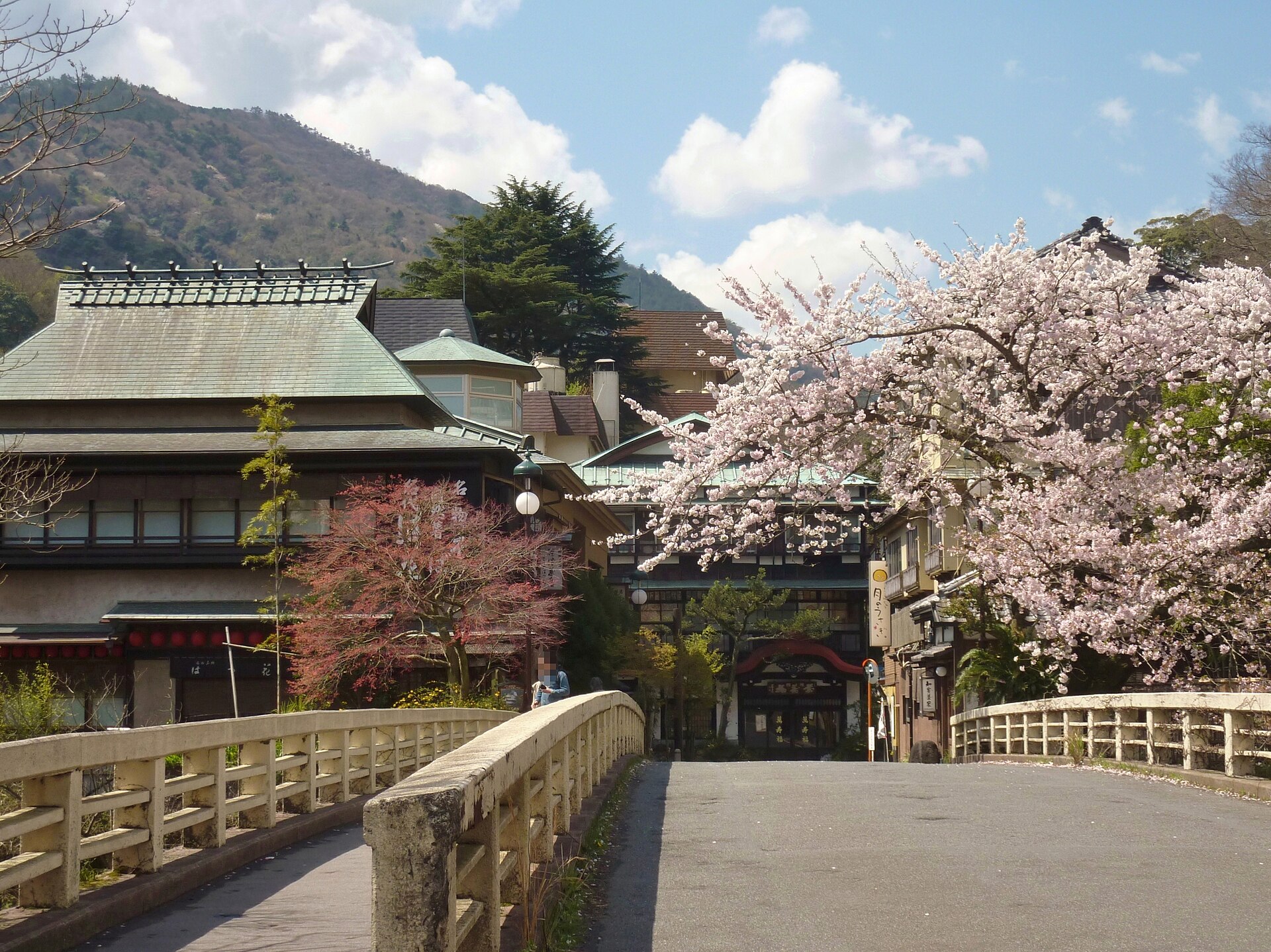
Hakone is a hot-spring area about 80 minutes by train from Shinjuku, in the mountains of Kanagawa Prefecture, around the Hakone volcano and Lake Ashi. Travellers spend one or two nights in a ryokan (traditional Japanese inn), between the hot-spring bath and dinner, and give a day to the classic loop: mountain railway, funicular, ropeway over the Owakudani crater, a boat across the lake and a shrine at the water's edge. It is the restful stop of a first trip between Tokyo and Kyoto.
Getting there from Tokyo
The Romancecar, the Odakyu company's limited express, runs from Shinjuku Station to Hakone-Yumoto, at the mouth of the valley, in about 80 minutes. It carries a 1,200 ¥ (about 7 €) surcharge on top of the regular ticket. From Tokyo Station, the Shinkansen reaches Odawara in 30 minutes; there you change to the Hakone Tozan mountain railway for Hakone-Yumoto, Miyanoshita and Gora. The mountain railway takes about 40 minutes from Odawara to Miyanoshita.
Gora Kadan sends its free shuttle to Gora Station, about 5 minutes away; KAI Hakone offers a free shared taxi to Hakone-Yumoto Station on departure.
The Hakone loop, step by step
The loop takes a day and works in either direction. Going uphill:
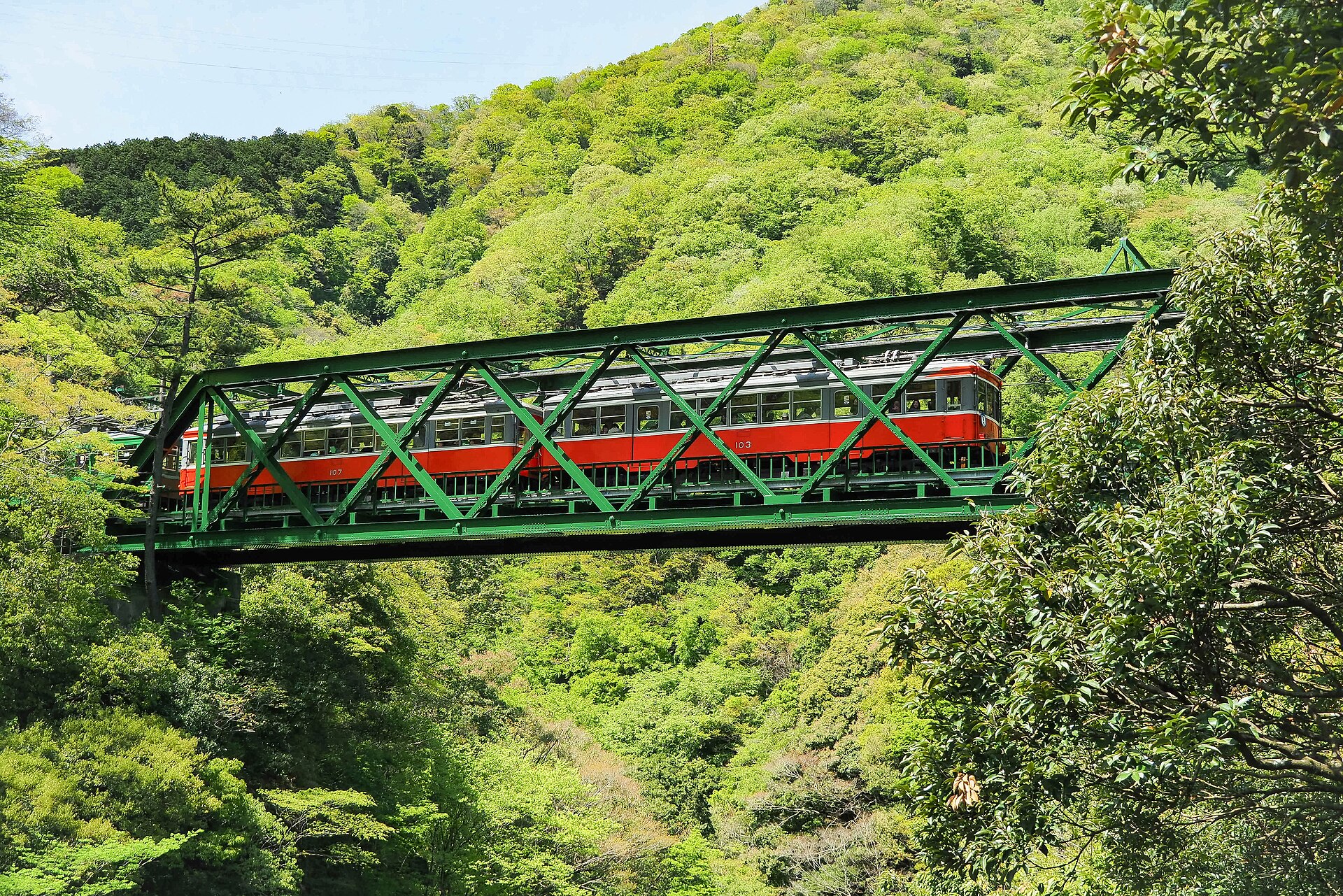
- The mountain railway to Gora. The Hakone Tozan climbs from Hakone-Yumoto to Miyanoshita and on to Gora, along the side of the Hayakawa valley.
- The funicular to Sounzan, above Gora, where the ropeway begins.
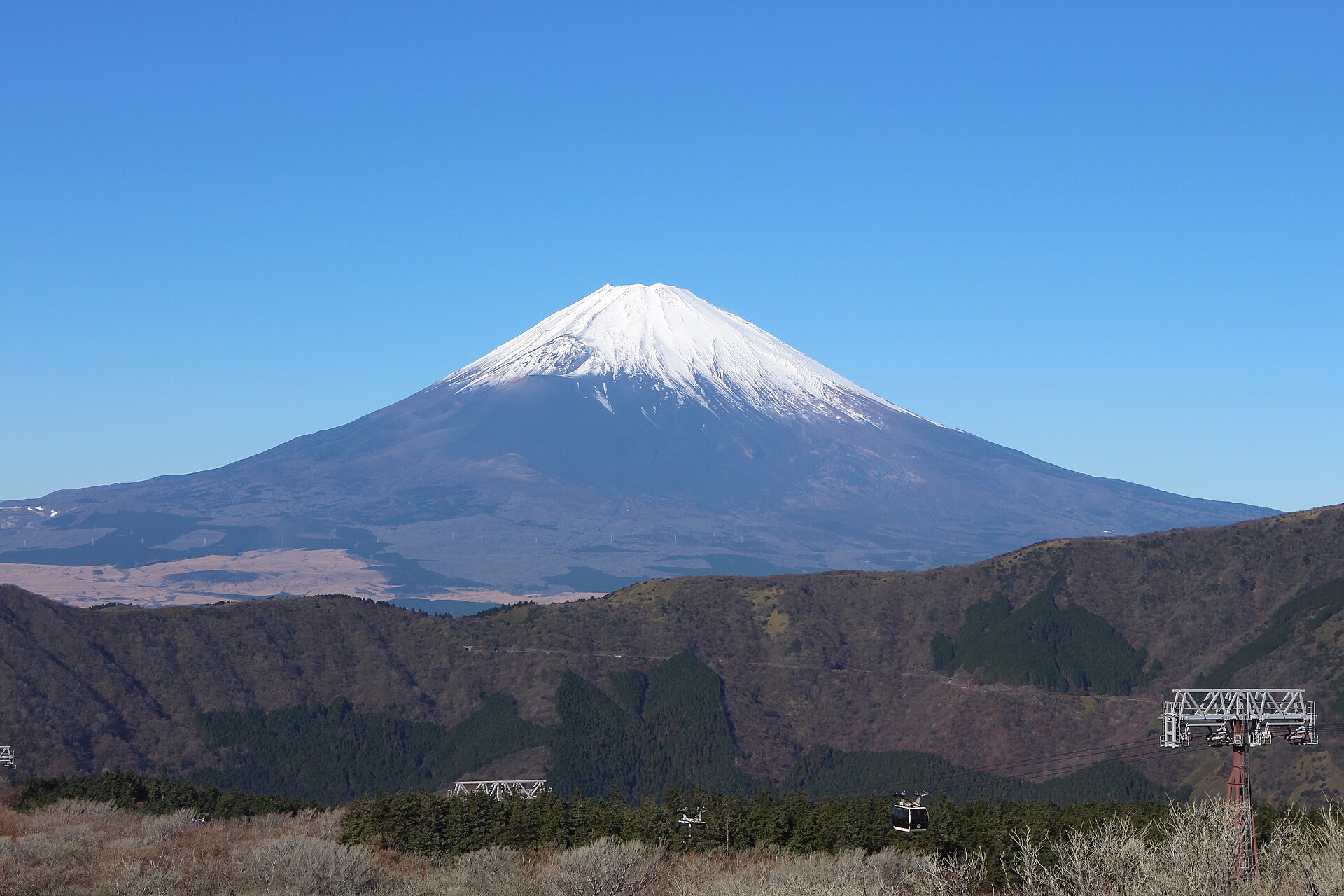
- The Hakone Ropeway. 18-seat gondolas leave roughly every minute. The line has three sections of about 15 minutes each, from Sounzan to Owakudani, Owakudani to Ubako, then Ubako to Togendai on the lakeshore; to ride the whole line you change gondolas at Owakudani. It runs from 9 am to 5 pm from February to November and from 9 am to 4.15 pm in December and January. The full ride, about 45 minutes, costs from 2,000 ¥ (about 12 €).
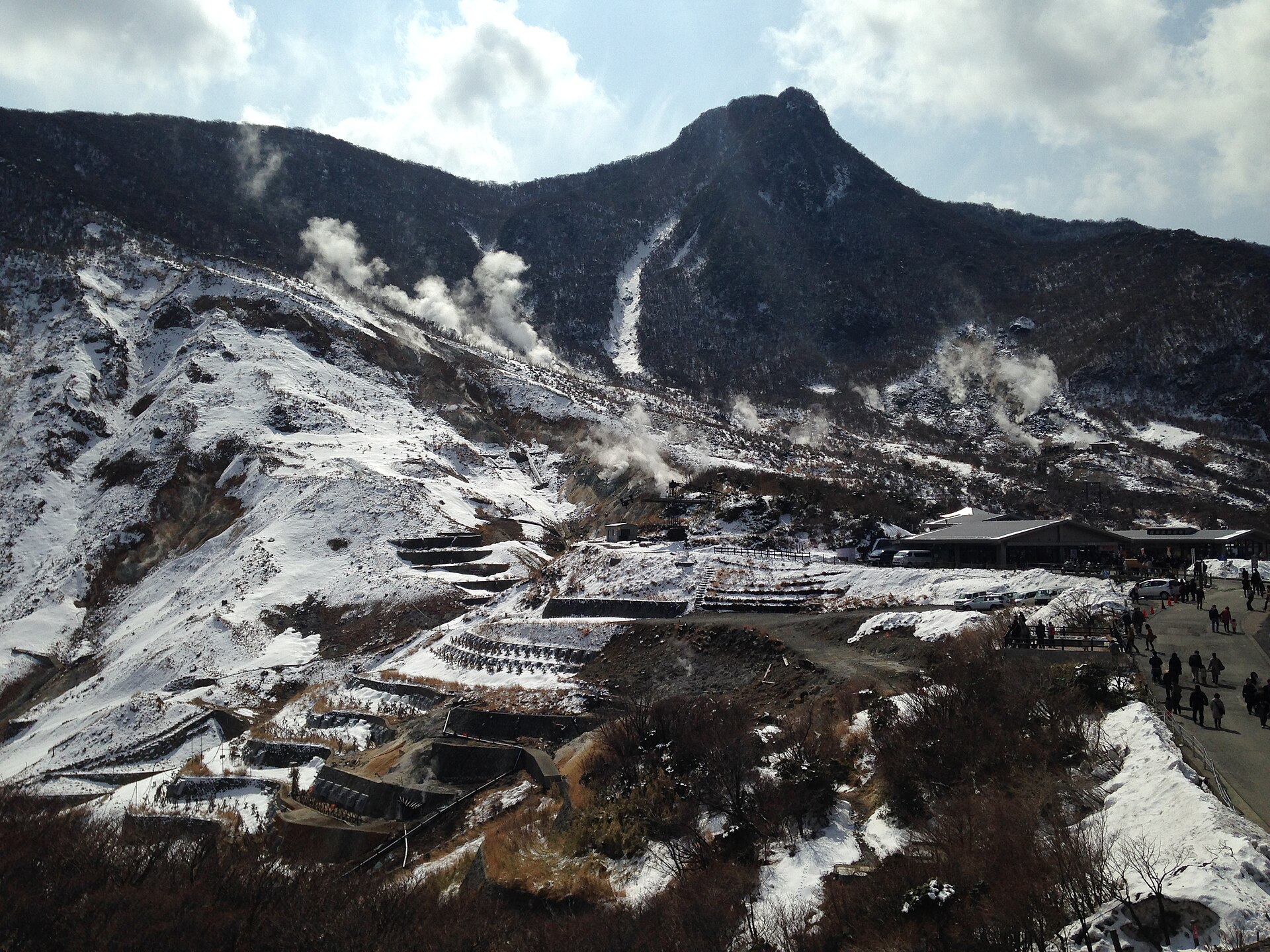
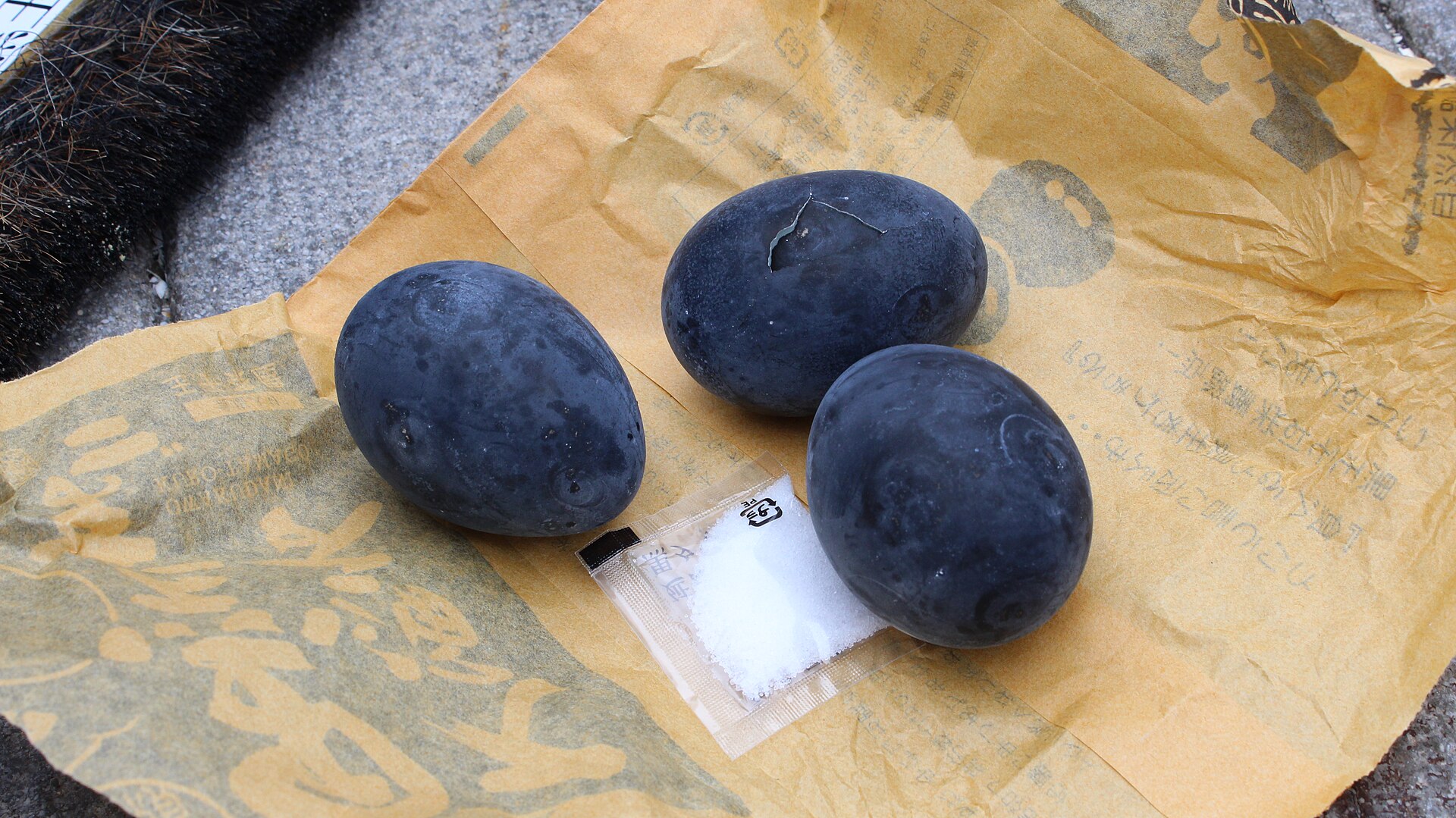
- Owakudani. This crater was formed by the last explosion of the Hakone volcano, about 3,000 years ago, and still gives off sulphurous fumes. Visitors eat kuro-tamago, eggs turned black by boiling in the acidic hot mud. The site is open from 9 am to 5 pm, depending on the season.
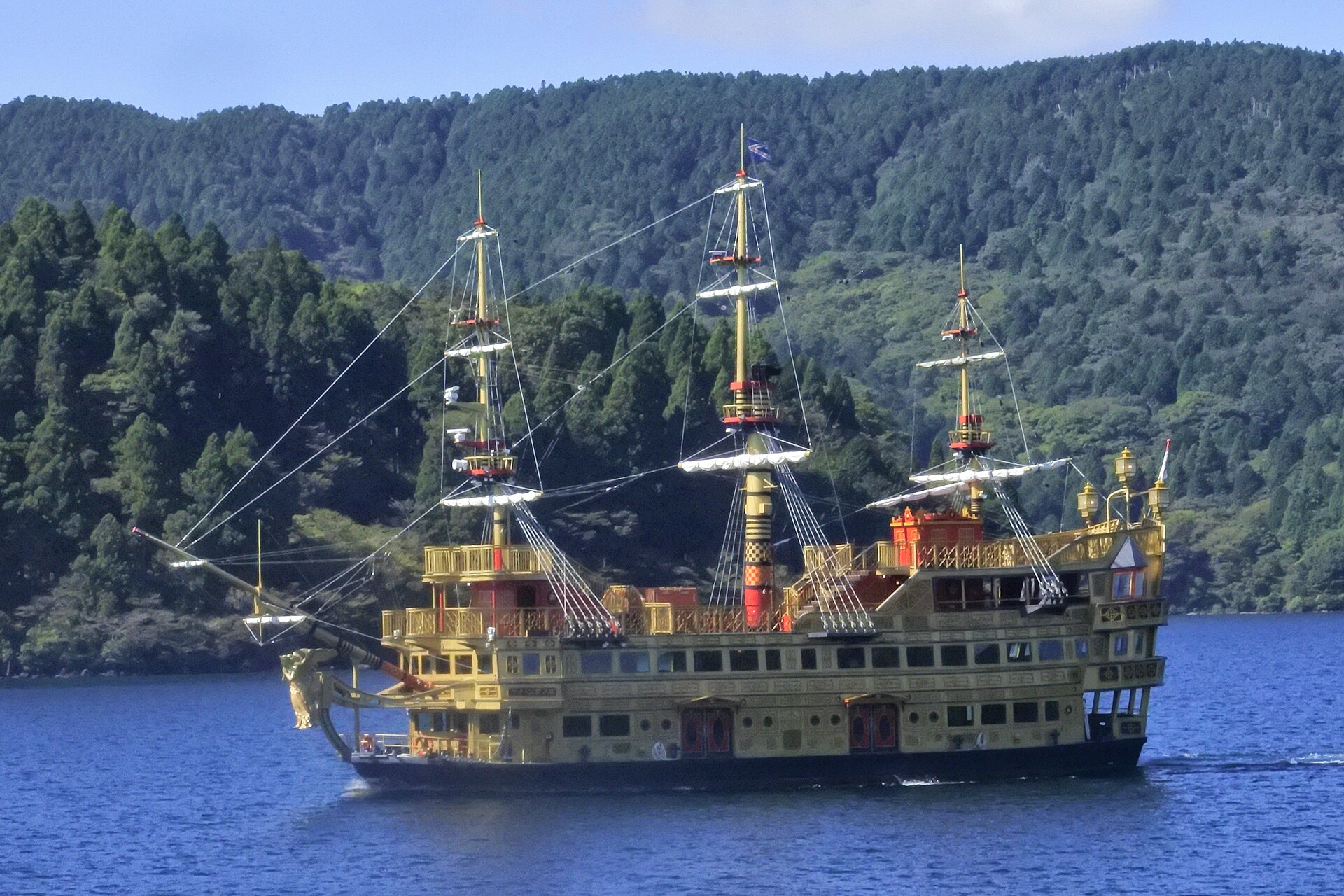
- Lake Ashi by boat. Three pirate-ship-style vessels link Togendai with Hakone-machi and Moto-Hakone in 25 to 40 minutes. A one-way ticket costs 1,700 ¥ (about 10 €) per adult, plus 800 ¥ (about 5 €) for the special cabin.
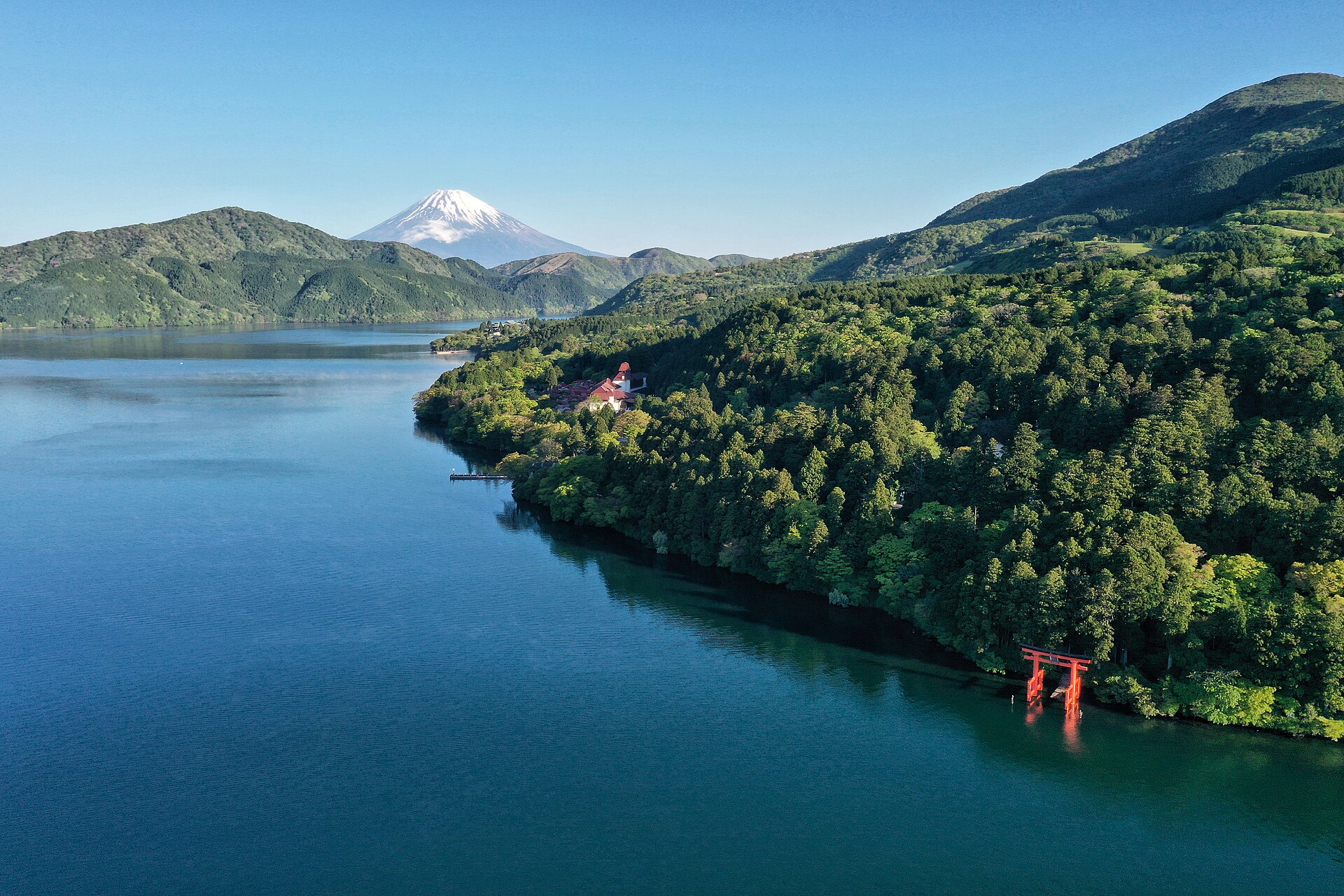
- Hakone Shrine. At Moto-Hakone, this Shinto shrine has more than 1,260 years of history. Its Torii of Peace, the Heiwa-no-torii, stands in the water of the lake; a torii is the gateway that marks the entrance to a shrine. The shrine office is open from 8.15 am to 5 pm; the treasure hall costs 500 ¥ (about 3 €).
To finish before the ropeway closes, it is best to set off from Gora in the morning.
Ropeway closures in 2026 and 2027
Odakyu Hakone closes the ropeway section by section for winter maintenance:
- 7 to 24 December 2026, Owakudani-Sounzan section;
- 12 January to 26 February 2027, Togendai-Ubako-Owakudani section.
Replacement buses run about every 15 minutes, and the operator warns they will be very crowded. During these weeks, the day is better built around the museums and the lake.
A volcano under watch
Hakone-yama is an active volcano monitored by the JMA (Japan Meteorological Agency). Since 7 October 2019 it has been at alert level 1, "be aware it is an active volcano". Check the alert level on the agency's website before each trip up to Owakudani.
Two art museums
- The Hakone Open-Air Museum is a sculpture garden of about 70,000 m², with a permanent display of some 120 works by modern and contemporary sculptors. It opens daily from 9 am to 5 pm. Entry costs 2,000 ¥ (about 12 €) at the counter and 1,800 ¥ (about 11 €) online.
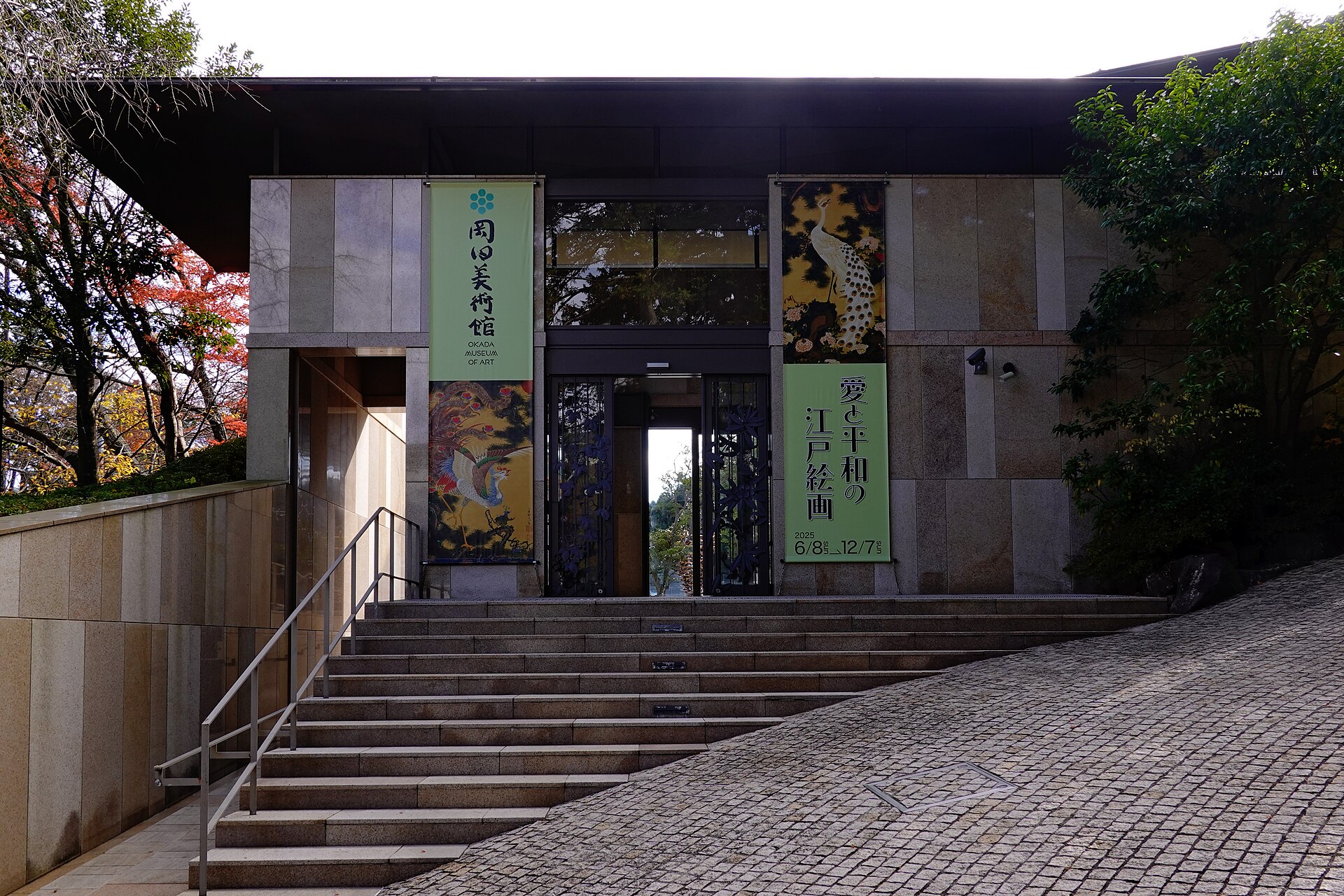
- The Okada Museum of Art, opened in October 2013, shows Japanese and other East Asian paintings and ceramics. Its café has a hot-spring footbath facing the mural "Wind/Time", which depicts the gods of wind and thunder. It opens from 9 am to 5 pm every day except 31 December and 1 January; entry costs 2,800 ¥ (about 16 €).
A night in a ryokan
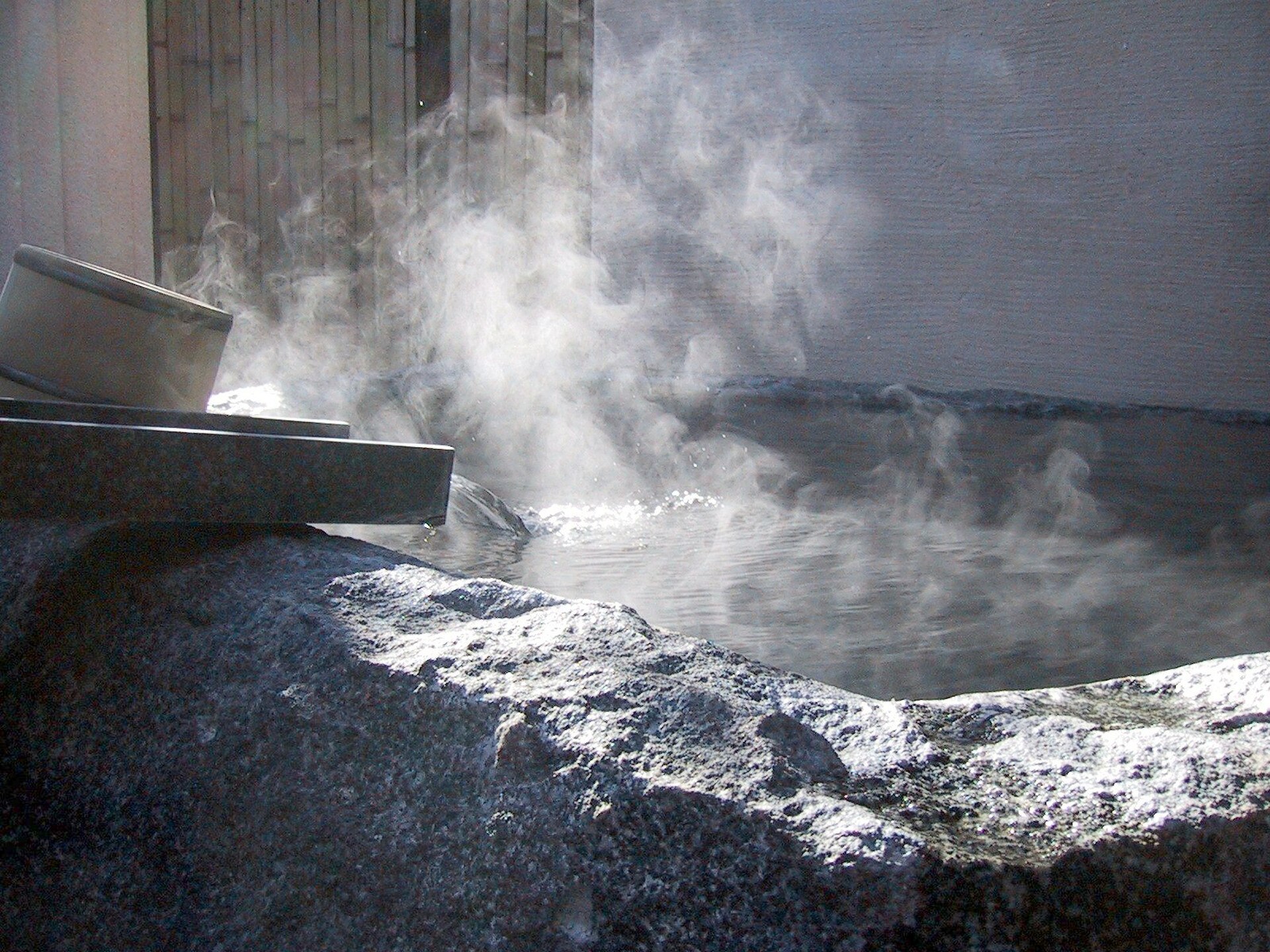
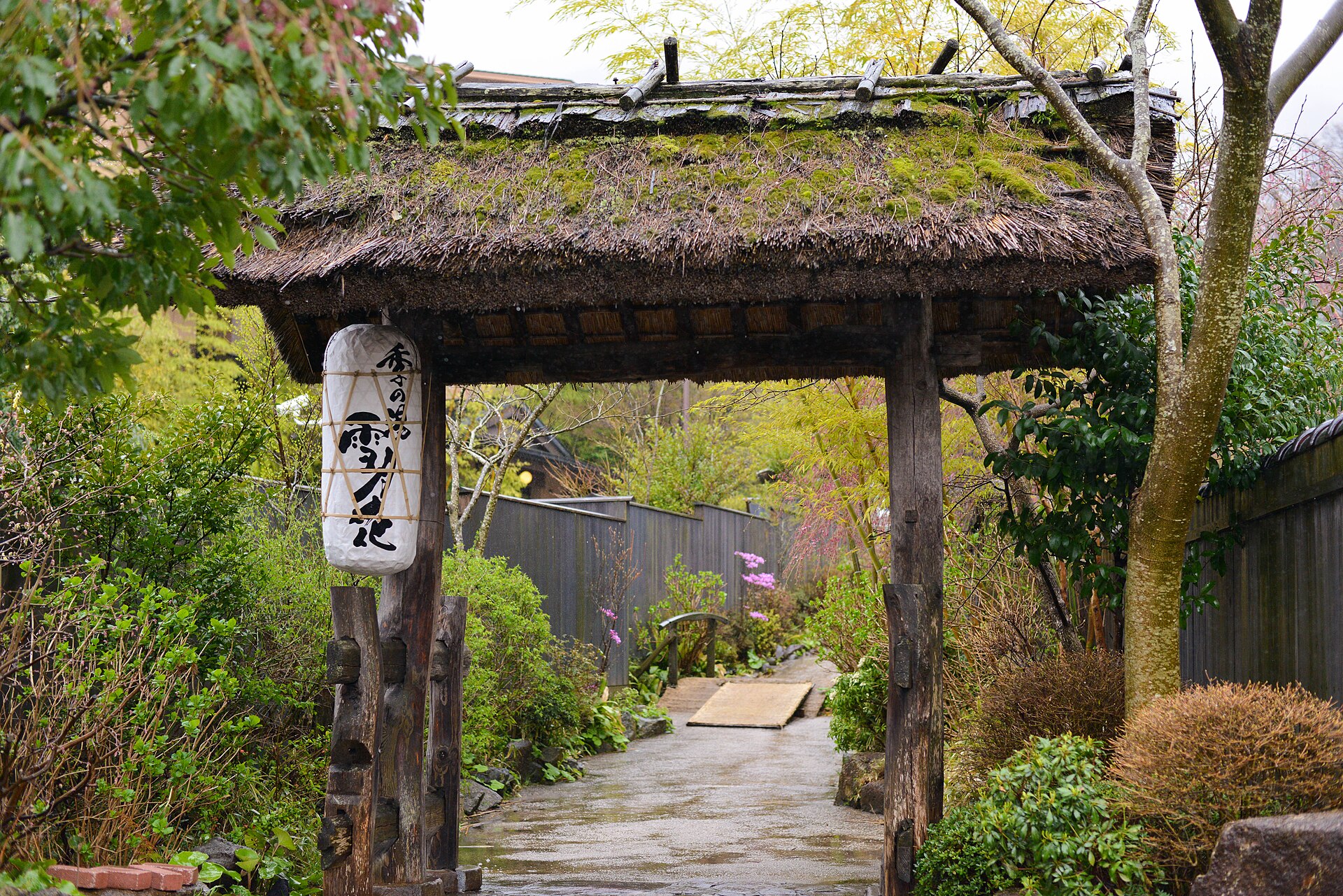
A stay in Hakone revolves around the ryokan. You arrive at around 2 or 3 pm, change into a yukata (a light cotton kimono lent by the house) and bathe before dinner. The onsen (hot-spring bath) is shared, with separate baths for men and women, or private; a rotemburo is an open-air bath. Kaiseki dinner, a sequence of small seasonal dishes served in several courses, is brought to the room or served in a dining room, between 5.30 and 7.30 pm depending on the inn. At night you sleep on futons or in a bed, depending on the room.
The rules of the shared bath are explained in our guide to onsen etiquette.
When to visit Hakone
The temperatures on this page come from the JMA station at Gotemba, on the western side of the Hakone mountains. Average highs range from 8 °C in January to 29 °C in August, about 2 to 3 °C below Tokyo all year round.
- Spring. Highs rise from 12 °C in March to 21 °C in May: a good season for the loop and the museums.
- Summer. 24 to 29 °C from June to August: Hakone stays cooler than Tokyo; the rainy season lasts on average from 7 June to 19 July in the region.
- Autumn. 20 °C in October and 15 °C in November, with autumn colour on the slopes.
- Winter. 8 to 10 °C from December to February: the season for an open-air bath in cold air, but also for the ropeway closures.
Where to stay in Hakone
The three ryokan in Umika's selection sit at three points along the valley, from bottom to top.
- KAI Hakone, a 34-room ryokan by Hoshino Resorts, is in Hakone-Yumoto, on the old Tokaido road, 7 minutes by car from the station. It reopened on 13 August 2025 after renovation, with hinoki (Japanese cypress) baths facing the Sukumo River. Kaiseki dinner includes simmered beef, a Hakone speciality; children's menus cover ages 4 to 11. It is the closest address to Tokyo and suits families.
- Hakone Ginyu is in Miyanoshita, a 3-minute walk from the station, at about 420 m above the Hayakawa valley. Every room, from 68 to 100 m², has its own terrace and private rotemburo facing the valley; kaiseki dinner is served in the room. Bookings are taken by phone, up to a year ahead.
- Gora Kadan occupies, in Gora, the estate of the former summer villa of Prince Kan'in, a member of the imperial family. Its rooms range from 48 m² to 254 m² for the Bettei Suite Shinonome, opened in August 2025; many have a private open-air hot-spring bath. The ryokan draws from its own springs and has a pool. Gora is where the funicular starts, which makes it the most convenient base for the loop.
For a honeymoon, Hakone Ginyu and Gora Kadan offer a private bath without leaving the room; the itinerary Japan honeymoon in 11 days includes Gora Kadan. Hakone also fits into Tokyo, Hakone, Kyoto and Osaka in 12 days.
What to see
- Hakone Open-Air Museum — sculpture garden of about 70,000 m² with a permanent display of some 120 works by modern and contemporary sculptors; open daily 9 am-5 pm (local time); ¥2,000 at the counter, ¥1,800 online Hakone Open-Air Museum, site officiel
- Owakudani — crater formed by the last explosion of the Hakone volcano about 3,000 years ago, still giving off sulphurous fumes; visitors eat black eggs (kuro-tamago) boiled in the acidic hot mud; open 9 am-5 pm depending on the season (local time) Visit Kanagawa (préfecture de Kanagawa), Ōwakudani
- Hakone Ropeway — 18-seat gondolas roughly every minute from Sounzan to Togendai on Lake Ashi, in three sections of about 15 min each, changing at Owakudani; 9 am-5 pm February to November, 9 am-4.15 pm in December and January (local time) Hakone Navi (Odakyu Hakone), téléphérique de Hakone
- Lake Ashi and sightseeing cruise — three pirate-ship-style vessels link Togendai with Hakone-machi and Moto-Hakone in 25 to 40 min; one way ¥1,700 (adult), plus ¥800 for the special cabin Hakone Navi (Odakyu Hakone), bateaux du lac Ashi
- Hakone Shrine — Shinto shrine with more than 1,260 years of history on the shore of Lake Ashi, whose Torii of Peace (Heiwa-no-torii) stands in the water; shrine office 8.15 am-5 pm (local time); treasure hall ¥500 (adult) Odakyu, Hakone Trip, sanctuaire de Hakone
- Okada Museum of Art — museum opened in October 2013, with Japanese and other Eastern paintings and ceramics; footbath café using hot-spring water in front of the mural 'Wind/Time' depicting the gods of wind and thunder; 9 am-5 pm daily except 31 December and 1 January (local time); ¥2,800 (adult) Musée d'art Okada, site officiel
When to go
Climate in Gotemba
| Jan | Feb | Mar | Apr | May | Jun | Jul | Aug | Sep | Oct | Nov | Dec | |
|---|---|---|---|---|---|---|---|---|---|---|---|---|
| Max. (°C) | 7.8 | 8.6 | 11.7 | 16.5 | 20.8 | 23.5 | 27.1 | 28.7 | 25.5 | 20.3 | 15.4 | 10.4 |
Source: JMA (agence météo japonaise), normales 1991-2020 de la station de Gotemba (0441) — 1991-2020, accessed 30 October 2026
Getting there
- From Tokyo: Odakyu Romancecar from Shinjuku to Hakone-Yumoto, about 80 min; ¥1,200 limited express surcharge on top of the regular ticket Odakyu, Romancecar
- Ropeway: Owakudani-Sounzan section closed 7-24 December 2026 and Togendai-Ubako-Owakudani section closed 12 January-26 February 2027 for maintenance; replacement buses about every 15 min, expected to be very crowded Odakyu Hakone, téléphérique de Hakone, avis de septembre 2026
- Mount Hakone volcano: JMA (Japan Meteorological Agency) alert level 1, 'be aware it is an active volcano', since 7 October 2019; check before each trip up to Owakudani JMA (agence météo japonaise), Hakone-yama
Chosen activities
- Lake Ashi crossing in the special cabin, Togendai to Moto-Hakone or Hakone-machi — 25 to 40 minutes · from 15 € per person
Public price collected on: Hakone Navi (Odakyu Hakone), bateaux du lac Ashi — accessed 30 October 2026
- Hakone Ropeway from Sounzan to Togendai via Owakudani — about 45 minutes · from 12 € per person
Public price collected on: Hakone Navi (Odakyu Hakone), téléphérique de Hakone — accessed 30 October 2026
Best months to go
Itineraries through this region
- Tokyo, Otemachi · 3 nights
- Hakone, Gora · 2 nights
- Kyoto, Gion · 4 nights
- Osaka · 2 nights
- Tokyo, Shinjuku · 3 nights
- Hakone, Gora · 2 nights
- Kyoto, Arashiyama · 3 nights
- Seto Inland Sea, aboard Guntû · 2 nights
Hotels chosen in the region
| Hotel | Category | Suits | Guest rating | Indicative price |
|---|---|---|---|---|
| Gora Kadan | Luxury ryokan in the former summer villa of an Imperial prince | Ryokans, Onsen and hot springs, Food and gastronomy, Honeymoon | 4,5/5 (Google) | from 811 € per night |
| Hakone Ginyu | Luxury ryokan, private open-air hot-spring bath in every room | Ryokans, Onsen and hot springs, Honeymoon, Food and gastronomy | 4,5/5 (Google) | from 536 € per night |
| KAI Hakone | Hot-spring ryokan on the Sukumo River, renovated in 2025 | Ryokans, Onsen and hot springs, Family | 4,1/5 (Google) | from 379 € per night |
Read next
Frequently asked questions
How many nights should you spend in Hakone?
One night is enough for the ryokan and part of the loop; two nights leave a full day for the ropeway, Lake Ashi and a museum. Hakone is about 80 minutes from Shinjuku by Romancecar, so you can arrive from Tokyo by late morning.
Is the Hakone Ropeway open in winter?
It runs from 9 am to 4.15 pm in December and January, but closes section by section for maintenance. The Owakudani-Sounzan section is closed from 7 to 24 December 2026 and the Togendai-Owakudani section from 12 January to 26 February 2027; replacement buses run about every 15 minutes.
Is the Hakone volcano dangerous?
Hakone-yama is an active volcano, at alert level 1 of the Japan Meteorological Agency since 7 October 2019, the level meaning "be aware it is an active volcano". Check the level on the agency's website before going up to Owakudani.
What should you eat at Owakudani?
Kuro-tamago, eggs boiled in the crater's acidic hot mud, which come out with a black shell. The site is open from 9 am to 5 pm depending on the season.
Which ryokan should you choose in Hakone?
KAI Hakone, in Hakone-Yumoto, is the closest to Tokyo and welcomes families with children's menus. Hakone Ginyu gives every room a private open-air bath over the valley. Gora Kadan, in the former villa of an imperial prince, is at the start of the loop's funicular.
A travel advisor replies by email. Free, no commitment.