Chosen by Umika
Azumi Setoda
Luxury hotel in an 1876 merchant estate, hinoki baths · Seto Inland Sea: Naoshima, Teshima, Setoda
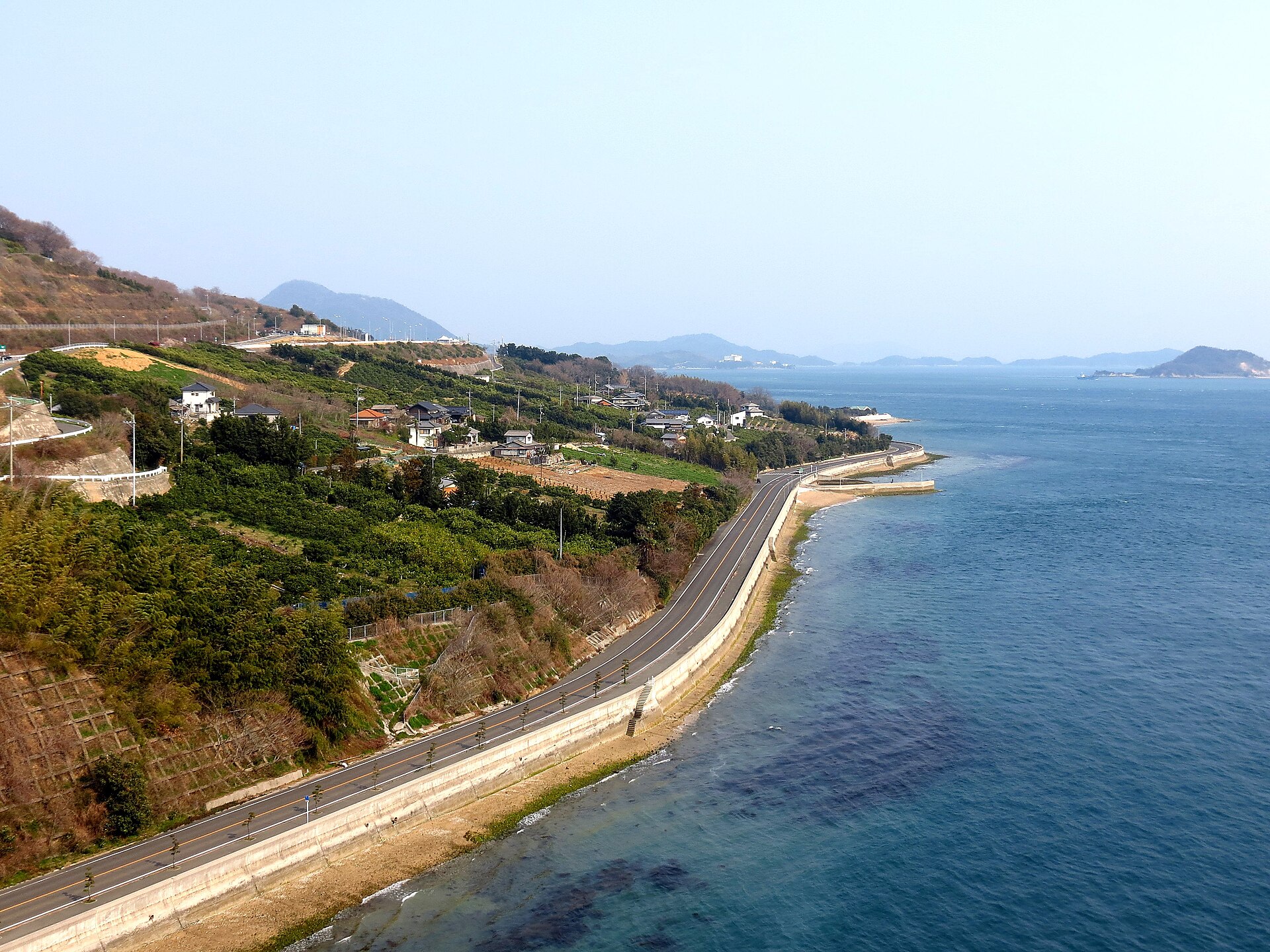
Azumi Setoda occupies the estate built in 1876 by the Horiuchi family, shipowners and salt makers of Setoda port, on Ikuchijima island, midway along the Shimanami Kaido island route. Restored by architect Shiro Miura, its rooms of 50 to 70 m² all have a hinoki (Japanese cypress) bath. The yubune public bathhouse across the street is free for guests.
Islands and beachesVillages and countrysideFood and gastronomyArt, architecture and design
1 MICHELIN Key
from 795 € per night
Niwa room (50 m², small garden), 2 adults, breakfast included, non-refundable early-booking rate (¥140,905 a night), 2-night stay from 13 April 2027. Indicative price, taxes included, to be confirmed with your request.
Public price collected on: site officiel (reservations.azumi.co) — accessed 30 October 2026
A travel advisor replies by email. Free, no commitment.
Azumi Setoda is a hotel in the estate that the Horiuchi family, shipowners and salt producers, built in 1876 in the port of Setoda, on Ikuchijima island, midway along the Shimanami Kaido island route in Hiroshima Prefecture. Its rooms, from 50 to 70 m², all have a hinoki (Japanese cypress) bath and open onto a garden or balcony. It suits couples who want two slow nights in an Inland Sea port town, cycling between islands and lemon groves, with a public bathhouse across the street for the evening.
The Horiuchi house
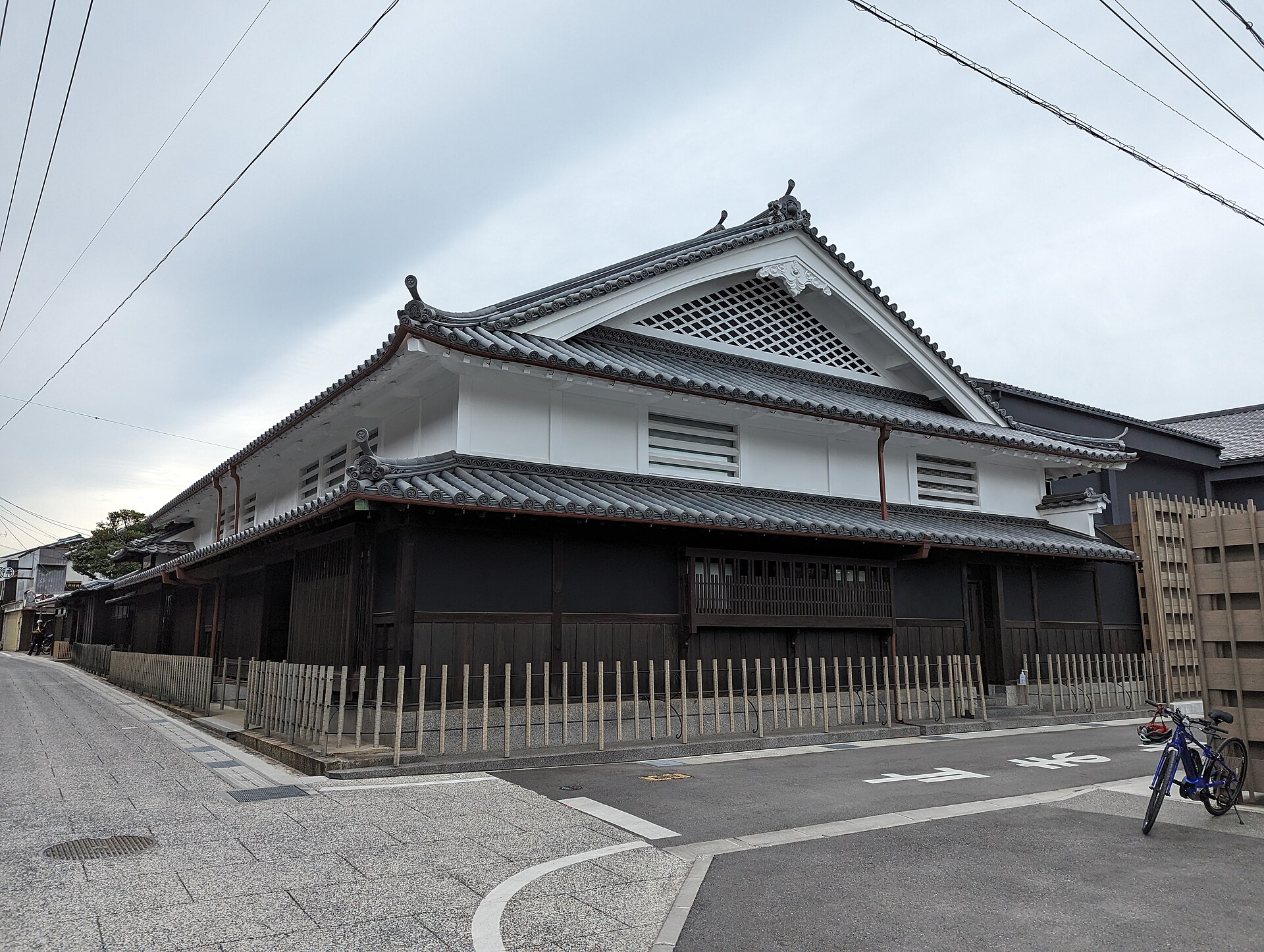
The Horiuchi family settled in Setoda in the early 17th century and prospered for nearly two centuries from shipping and salt, which they sent all over Japan along the Kitamaebune trade routes, the merchant ships that sailed the coasts. Their house was built in 1876 by Kyoto craftsmen, with materials from across the country.
Kyoto architect Shiro Miura restored it in the sukiya-zukuri style, the wooden architecture that grew out of 16th-century tea culture, with the principle of restoring rather than reinventing. The rooms, in cedar and cypress, surround a courtyard enclosed by marigaki fences. The name Azumi comes from the Azumi clan, ancient seafarers who carried knowledge and culture along Japan's coasts. The hotel holds one MICHELIN Key.
Four ways to stay
Every room has a hinoki bathtub, a heated Fukumitsu stone floor and twin beds placed together, made up as a king on request. The room table gives sizes; what sets them apart is the floor and how they open up.
- Niwa (50 m²), on the ground floor, opens onto the garden through a yukimi shōji, a paper screen whose lower part lifts so you can look outside. A large sofa sits at the foot of the bed. For couples who want the garden.
- Suzumi (50 m²), upstairs, has a balcony open to the sea breeze, for the night air after a bath.
- Sora Suzumi (70 m²) is a maisonette: bedroom downstairs, and upstairs a Japanese room with a horigotatsu (a low table set over a sunken floor) and a balcony with a wide daybed. It sleeps three, the third on a futon (a mattress laid on the floor) in the tatami room.
- Niwa Suzumi (70 m²) is the same maisonette with a small enclosed garden downstairs as well: garden and balcony, villa-style, for a family or three friends.
Niwa and Suzumi take two guests aged 6 and over; a child aged 5 or under may share a bed.
The yubune bathhouse
Across the street, the yubune public bathhouse, run by the same house, is open free and without limit to guests: hot baths and a sauna, beneath an island scene painted across a whole wall. Upstairs, the yuagari lounge, for resting after the bath, has a library on Inland Sea culture and a shop. Shared-bath etiquette is in our onsen etiquette guide.
Dining
The dining room serves seasonal Inland Sea cuisine on the Horiuchi family's tableware, with private dining rooms. Breakfast runs from 7 to 10 am. Dinner starts at 5.30 pm (last seating 8 pm), in two seatings, by reservation; there is no dinner on Tuesdays or Wednesdays, worth knowing when booking those nights. In the garden, the azumaya gazebo is used for tea, yoga and meals.
Setoda and the islands
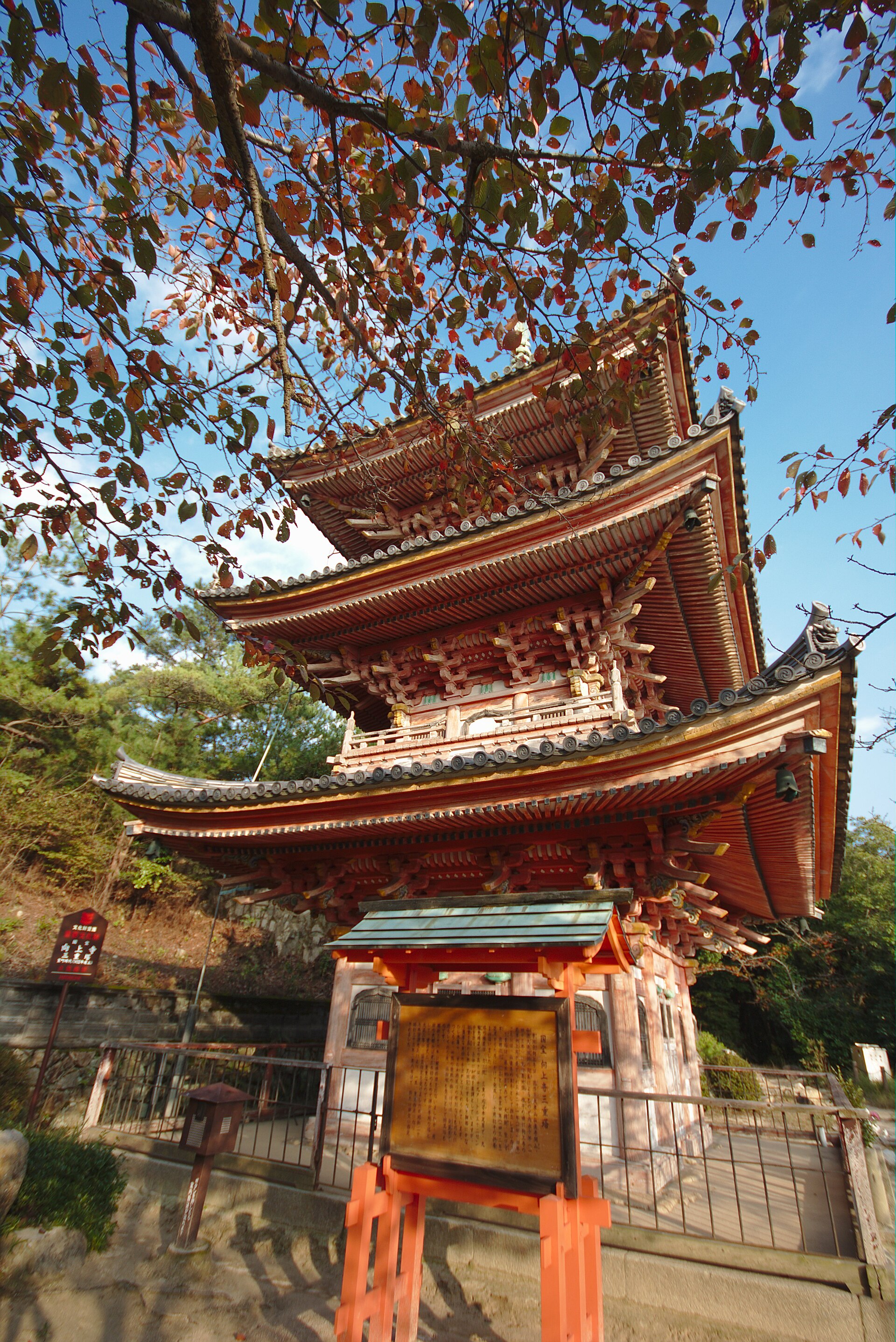
Setoda is Japan's leading lemon-growing area, and the hotel offers lemon picking from October to early April. It hires out bicycles and e-bikes for the island route. On foot from the port: the three-storey pagoda of Kōjō-ji, built in 1432 and a National Treasure, 10 minutes away; Kōsan-ji, a temple built by an Osaka businessman in honour of his mother, with the Miraishin no Oka hill, open 9 am to 5 pm; and the Hirayama Ikuo Museum, devoted to the painter born in Setoda, open daily 9 am to 5 pm. It is all on our Seto Inland Sea, Naoshima, Teshima and Setoda page.
Getting there
The hotel is at 269 Setoda, Setoda-cho, Onomichi. A fast boat links it with Mihara port in 25 minutes or Onomichi in 40 minutes; by car, allow about 40 minutes from Onomichi and an hour from Hiroshima Airport, 67 km away. The hotel arranges a private taxi from Hiroshima Airport, from 39,000 ¥ (about 220 €), or from Fukuyama Station on the Shinkansen (bullet train), from 25,000 ¥ (about 141 €), about an hour either way. The Inland Sea and art islands in 10 days itinerary spends two nights here, between Iwaso on Miyajima and Naoshima.
Azumi Setoda, Benesse House or guntû
In our Inland Sea selection, Azumi Setoda is the port-town house: an 1876 estate, the bathhouse across the street, bicycles and lemon trees. Benesse House, on Naoshima, is the contemporary art museum hotel, with 65 rooms in four buildings. guntû, which leaves from Onomichi, 40 minutes away by boat, is a 17-suite floating ryokan for two or three nights on the water.
Room types
| Room | Size | View | Bed | Capacity |
|---|---|---|---|---|
| Niwa | 50 m² | garden | Hollywood twin beds, made up as a king on request | 2 guests (age 6 and over); one child aged 5 or under may share a bed |
DetailsWho it suits: Couples who want the room to open onto the garden. Bathroom: hinoki cypress bathtub Outdoor space: garden through the yukimi shoji screen, ground floor Highlights: heated Fukumitsu stone floor, large sofa at the foot of the bed | ||||
| Suzumi | 50 m² | Hollywood twin beds, made up as a king on request | 2 guests (age 6 and over); one child aged 5 or under may share a bed | |
DetailsWho it suits: Couples who prefer the upper floor and a balcony for the night air after a bath. Bathroom: hinoki cypress bathtub Outdoor space: first-floor balcony open to the sea breeze Highlights: heated Fukumitsu stone floor, large sofa at the foot of the bed | ||||
| Sora Suzumi | 70 m² | Hollywood twin beds, made up as a king on request | 3 guests, with futons in the tatami room | |
DetailsWho it suits: Three adults or a family, or couples on a long stay who want an extra living room. Bathroom: hinoki cypress bathtub Outdoor space: upper balcony with a wide daybed Highlights: maisonette: bedroom downstairs, Japanese room with a horigotatsu (sunken table) upstairs | ||||
| Niwa Suzumi | 70 m² | Hollywood twin beds, made up as a king on request | 3 guests, with futons in the tatami room | |
DetailsWho it suits: Families or three friends who want both garden and balcony, villa-style. Bathroom: hinoki cypress bathtub Outdoor space: small enclosed garden downstairs and upper balcony with daybed Highlights: maisonette: bedroom downstairs, Japanese room with a horigotatsu (sunken table) upstairs | ||||
Source: Azumi Setoda, chambres (site officiel) — accessed 30 October 2026
Restaurants
Azumi Setoda dining room (seasonal Inland Sea cuisine, Horiuchi family tableware)
Facilities
- Sukiya-style rooms in cedar and cypress around a courtyard enclosed by marigaki fences; all with a hinoki bath
- Free, unlimited use of the yubune public bathhouse across the street (hot baths and sauna) and its yuagari lounge with a library on the region
- Breakfast 7 am to 10 am; dinner from 5.30 pm (last seating 8 pm), two seatings, by reservation, no dinner on Tuesdays and Wednesdays; private dining rooms
- Garden with the Horiuchi family's trees and an azumaya gazebo (tea, yoga, dining); bicycles and e-bikes for hire; lemon picking from October to early April
- Private taxi from Hiroshima Airport (about 1 h, from ¥39,000) or Fukuyama Station (about 1 h, from ¥25,000)
Location
269 Setoda, Setoda-cho, Onomichi, on Ikuchijima island, midway along the Shimanami Kaido island route. Fast boat from Mihara port in 25 minutes or Onomichi in 40 minutes; about 40 minutes by car from Onomichi, 1 hour from Hiroshima Airport (67 km).
Map drawn by Umika from OpenStreetMap data, © OpenStreetMap
| From the hotel | On foot | By car |
|---|---|---|
| Setoda Port | 1 min (0.1 km) | 0.1 km |
| Kōjō-ji | 6 min (0.4 km) | 1.2 km |
| Kōsan-ji | 11 min (0.8 km) | 1.2 km |
| Hirayama Ikuo Museum of Art | 8 min (0.6 km) | 1.0 km |
| Onomichi Station | — | 24.9 km |
| Fukuyama Station (Shinkansen) | — | 42.9 km |
| Hiroshima Airport (HIJ) | — | 64.3 km |
Shortest routes calculated by OSRM (routing.openstreetmap.de) on OpenStreetMap data, on 31 October 2026.
Guest reviews
4,5/5 — 137 reviews
Rating published by a travel website. Verified reviews from Umika travellers will appear here after their first trips.
Source: Google — accessed 30 October 2026
Trip ideas with this hotel
Best months to go
Read next
Frequently asked questions
Where is Azumi Setoda?
At 269 Setoda, in the port of Setoda on Ikuchijima island (Onomichi city, Hiroshima Prefecture), midway along the Shimanami Kaido island route. A fast boat links it with Mihara in 25 minutes and Onomichi in 40 minutes; Hiroshima Airport is about an hour by road.
Do the rooms have a private bath?
Yes. Every room has a hinoki wooden bathtub. Guests also have free, unlimited use of the yubune public bathhouse across the street, with hot baths and a sauna.
Can we have dinner at the hotel every night?
No. Dinner is served from 5.30 pm, in two seatings by reservation, except on Tuesdays and Wednesdays. Breakfast is served daily from 7 to 10 am.
Can three people, or a child, stay?
The 70 m² Sora Suzumi and Niwa Suzumi maisonettes sleep three, the third on a futon in the Japanese room. Niwa and Suzumi take two guests aged 6 and over, and a child aged 5 or under may share a bed.
What is there to do in Setoda?
Hire a bicycle at the hotel to follow the island route, pick lemons from October to early April, and visit the Kōjō-ji pagoda (1432), Kōsan-ji temple and the museum of the painter Ikuo Hirayama. The yubune bathhouse across the street rounds off the day.
A travel advisor replies by email. Free, no commitment.