Rail journeys
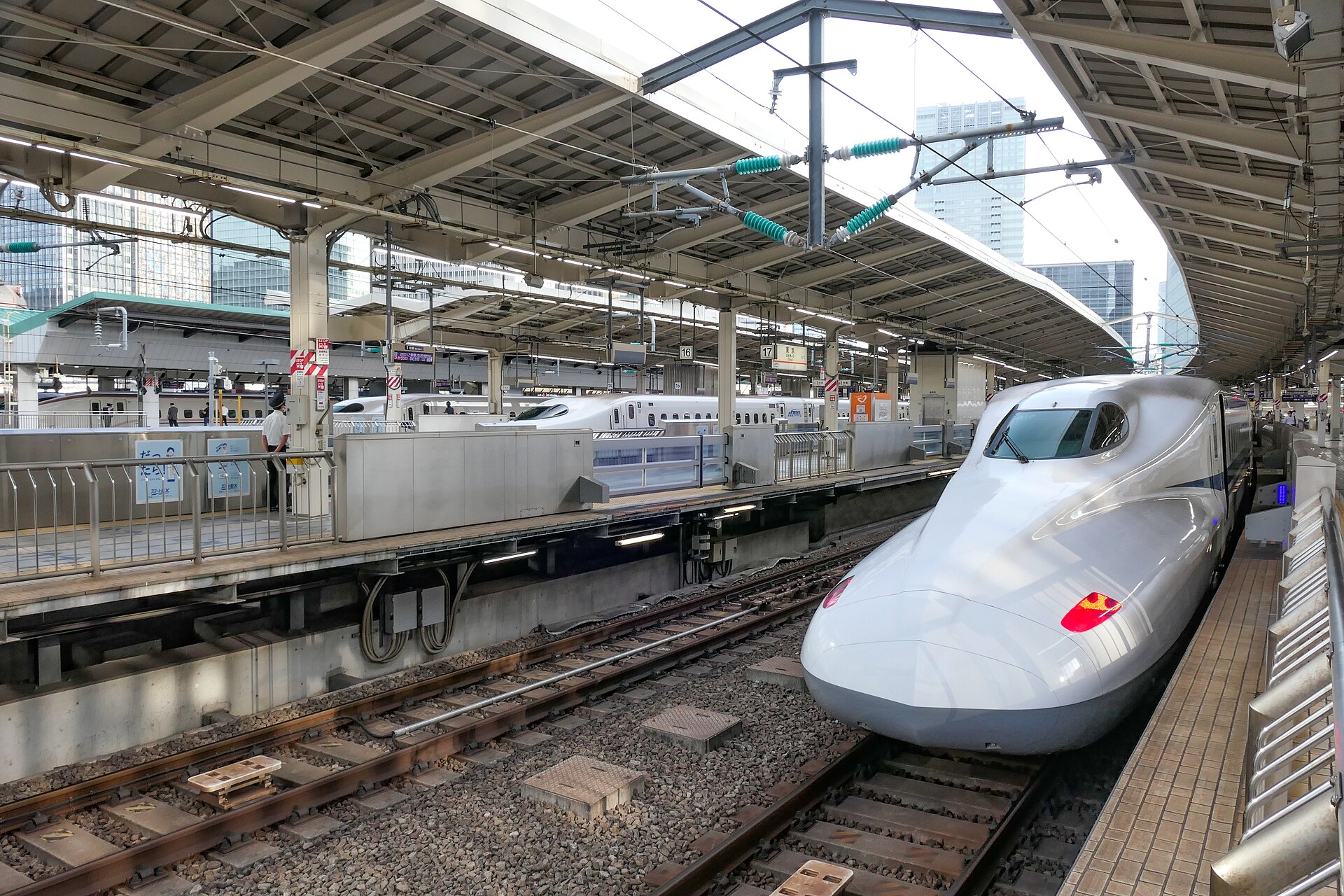
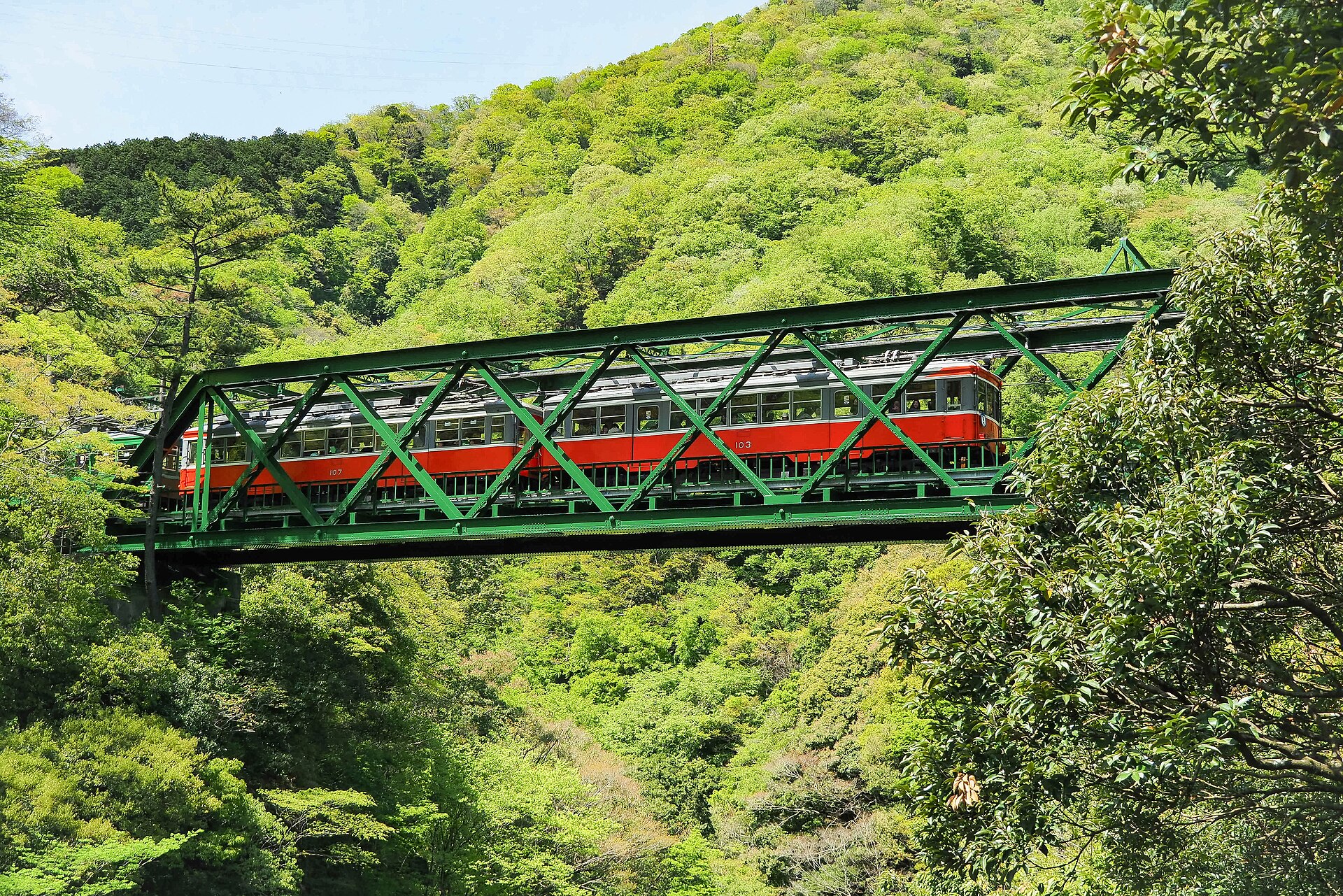
In Japan, the shinkansen links the stages of a trip: Tokyo to Kyoto in 2 hours 10, Tokyo to Kanazawa in 2 hours 30, Tokyo to Hiroshima in 4 hours. Slower trains are part of the scenery: the Romancecar from Shinjuku to Hakone with its panoramic seats, the Hakone Tozan mountain railway and its three switchbacks, and the Hida express to Takayama. All four Umika itineraries travel by train, with a Japan Rail Pass or single tickets depending on the route.
Regions
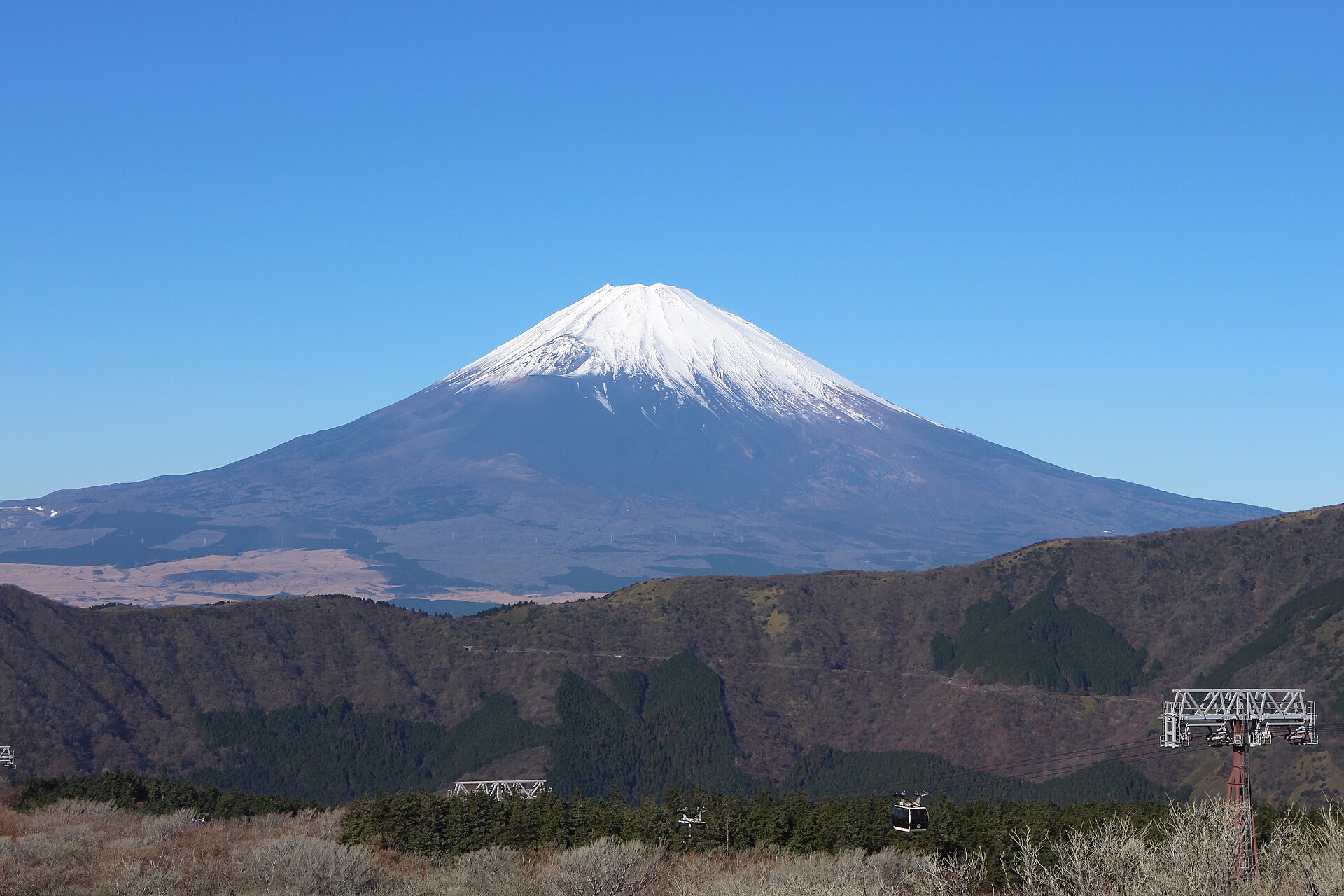
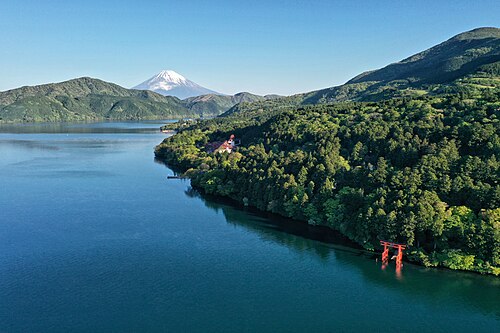 HakoneRyokan and hot springs, open-air sculpture and a steaming crater 80 min from Tokyo
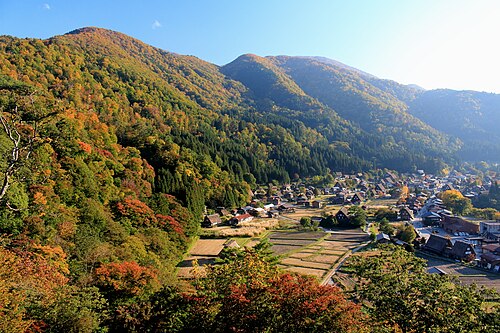 Hida: Takayama and Shirakawa-goA mountain merchant town, its float festivals and the thatched farmhouses of Shirakawa-go
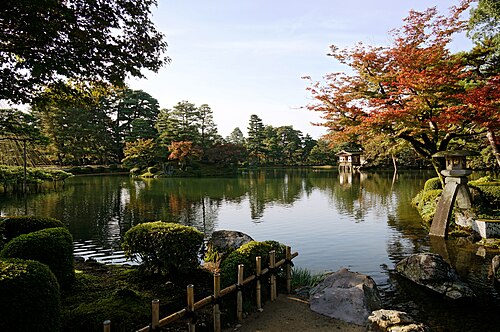 Kanazawa and Kaga OnsenKenrokuen Garden, the geiko teahouse districts and the hot-spring villages of Kaga
Trip ideas
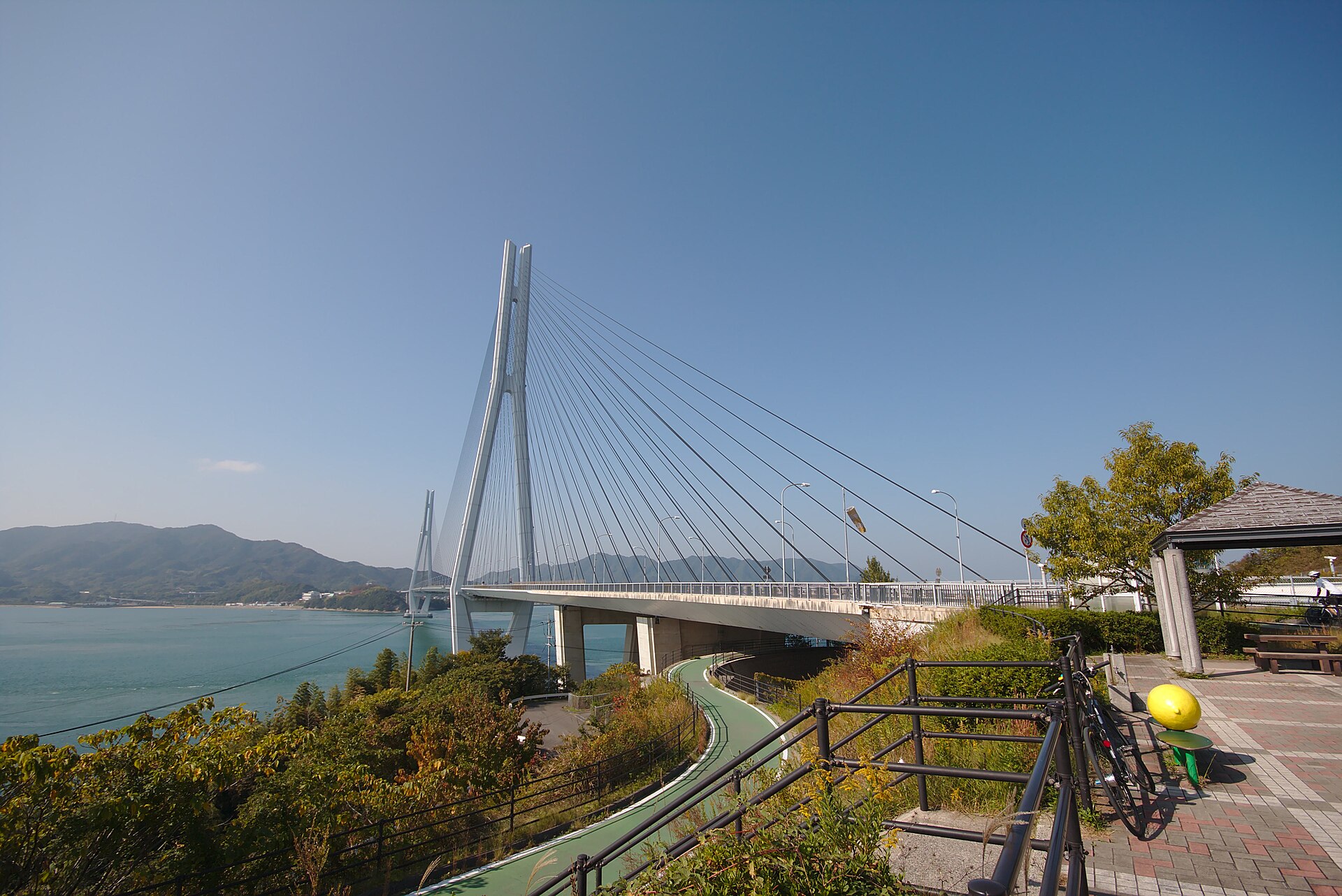
A trip to Japan is a rail trip: the shinkansen, the high-speed train of the JR companies (Japan Railways, the six companies that succeeded the former national railways), links Tokyo with Kyoto in about 2 hours 10, Kanazawa in 2 hours 30 and Hiroshima in 4 hours, and express and mountain trains take over towards Hakone, Takayama and the ports of the Seto Inland Sea. All four Umika itineraries travel by train from start to finish, with a boat or a bus on a few stretches.
The shinkansen, the backbone of the trip
The shinkansen has standard cars and Green cars, JR's first class. On the Tōkaidō line, from Tokyo to Kyoto and Osaka, the Nozomi trains are the fastest; Hikari trains take about 2 hours 50 to Kyoto. To the west, the San'yō line runs on from Osaka to Okayama, Hiroshima and Kyūshū; towards the Sea of Japan, the Hokuriku line links Tokyo with Kanazawa and continues to Tsuruga.
| Journey | Train | Time |
|---|---|---|
| Tokyo - Odawara, gateway to Hakone | Tōkaidō shinkansen | 30 min |
| Tokyo - Kyoto | Tōkaidō shinkansen Nozomi | about 2 h 10 |
| Tokyo - Kanazawa | Hokuriku shinkansen | about 2 h 30 |
| Kanazawa - Kaga-Onsen | Hokuriku shinkansen | 15 min |
| Kyoto - Okayama | shinkansen | about 1 h |
| Osaka - Okayama | shinkansen | 45 min |
| Osaka - Hiroshima | shinkansen | about 1 h 30 |
| Tokyo - Hiroshima | shinkansen | about 4 h |
Kyoto, Osaka and Nara are 30 to 40 minutes apart and can be seen from a single hotel; Hiroshima and the Seto Inland Sea are added from Kyoto or Osaka; Kanazawa fits in on the way between Tokyo and Kyoto.
The trains that make the scenery
The Romancecar, from Shinjuku to Hakone
The Romancecar, an express run by the private Odakyu railway, links Shinjuku station with Hakone-Yumoto in about 80 minutes, with a 1,200 ¥ (about 7 €) supplement on top of the ordinary fare. Odakyu runs four models; the GSE has 16 panoramic seats at the front and 16 at the rear, at no extra charge but in limited numbers. Seats go on sale at 10:00 Japan time one month before departure, so book as soon as sales open for a panoramic seat.
The Hakone Tozan mountain railway
In Hakone, the Hakone Tozan climbs from Odawara to Hakone-Yumoto, then on to Miyanoshita and Gora, along the side of the Hayakawa valley. It takes about 40 minutes from Odawara to Miyanoshita. The gradient forces three switchbacks, where the driver and the conductor swap places to set off in the other direction. From mid-June to late July, hydrangeas flower along the line between Hakone-Yumoto and Gora, at dates that vary with altitude: the train is then known as the Hydrangea Train, and a night train runs past the illuminated flowers.
At Gora, the cable car climbs 209 m to Sōunzan, starting point of the Hakone Ropeway: three sections of about 15 minutes over the Ōwakudani crater to Lake Ashi, from 2,000 ¥ (about 12 €). The ropeway closes in sections from 7 to 24 December 2026 between Ōwakudani and Sōunzan, and from 12 January to 26 February 2027 between Tōgendai and Ōwakudani, with very crowded replacement buses. The lake boat completes the loop.
The Hida express, to Takayama
The Hida limited express links Nagoya with Takayama in 2 hours 20, in the mountains of Gifu prefecture; a direct Hida express also runs from Osaka, in about 4 hours 15. From Tokyo, take the Nozomi shinkansen to Nagoya, 1 hour 40, then the Hida express, a little over 4 hours in all. Takayama is the gateway to the Hida and Shirakawa-gō region; higher up in Okuhida, the Shinhotaka Ropeway climbs to 2,156 m in two sections, with double-decker cabins, all year round, for 3,800 ¥ (about 22 €) return.
The other links of the trip
- The Thunderbird express, from Kyoto or Osaka to Tsuruga, then the Hokuriku shinkansen to Kanazawa: about 2 hours, with a compulsory change at Tsuruga.
- JR's Haruka express, from Kansai airport to Kyoto in about 80 minutes, without changing.
- The Kintetsu express, from Kyoto or Osaka-Namba to Nara in about 34 minutes.
- The JR San'yō line train, from Hiroshima to Miyajimaguchi in 25 minutes, then the JR ferry to Miyajima, 10 minutes.
- The JR train from Okayama to Uno, 47 to 57 minutes for 590 ¥ (about 4 €), then 20 minutes by ferry to Naoshima.
Our itineraries by train
| Itinerary | Trains on the route | Other modes |
|---|---|---|
| Tokyo, Hakone, Kyoto and Osaka in 12 days | Romancecar, Hakone Tozan, cable car, Tōkaidō shinkansen from Odawara, Kintetsu express to Nara | ropeway and Lake Ashi boat |
| Kanazawa, Shirakawa-gō and Takayama in 10 days | Hokuriku shinkansen, Hida express, Nozomi shinkansen, Haruka express | express bus from Kanazawa to Takayama via Shirakawa-gō |
| 11-day honeymoon | Romancecar, Hakone Tozan, shinkansen to Kyoto then Fukuyama | Hoshinoya Kyoto's boat, guntû cruise |
| Kyoto, Miyajima and the art islands in 10 days | Haruka express, shinkansen to Hiroshima, Mihara and Okayama, JR train to Uno | Miyajima and Naoshima ferries, fast boat to Setoda |
On the classic trip, the Hakone Tozan runs back down to Odawara on day six for the shinkansen to Kyoto. On the Japanese Alps trip, an express bus crosses the mountains from Kanazawa to Takayama, and the Hida express comes down to Nagoya. On the honeymoon, the shinkansen runs from Kyoto to Fukuyama, where a guntû car meets passengers. Our Islands and beaches page details the Inland Sea crossings.
Pass or single tickets
The Japan Rail Pass, reserved for foreign visitors who enter with temporary visitor status, gives access to almost the whole JR network for 7, 14 or 21 days. The 7-day ordinary pass costs 50,000 ¥ (about 282 €) on the official site and 53,000 ¥ (about 299 €) from approved agents outside Japan since 1 October 2026. Nozomi trains need an extra special ticket, 4,960 ¥ (about 28 €) between Tokyo and Kyoto. Odakyu's Romancecar and Kintetsu expresses are paid separately.
The pass pays off on trips that go a long way. The classic 12-day trip has only one long JR journey, from Odawara to Kyoto, so single tickets are enough. A trip linking Tokyo, Kanazawa, Kyoto and Hiroshima is worth comparing with the 7- or 14-day pass. JR West, the western company, also sells regional passes: the Kansai-Hiroshima Area Pass, 5 days for 17,000 ¥ (about 96 €), covers Kyoto, Osaka, the shinkansen to Hiroshima and the Miyajima ferry; the Kansai-Hokuriku Area Pass, 7 days for 19,000 ¥ (about 108 €), covers the Thunderbird express and the Hokuriku shinkansen to Kanazawa. For each trip, Umika compares the pass with single tickets on the actual journeys; the trains and Japan Rail Pass guide gives all the prices.
Booking your seat
Shinkansen seats can be booked from one month before travel, free of charge with the pass, at JR station machines or at the Midori-no-madoguchi ticket offices. During peak periods, including Golden Week at the end of April and start of May, all Nozomi trains on the Tōkaidō-San'yō line run with reserved seats only, according to JR Central, so book as soon as sales open. The seasons guide lists the 2027 public holidays.
Travelling with luggage
On the Tōkaidō, San'yō and Kyūshū shinkansen, a case whose three sides add up to more than 160 cm requires a reserved seat with an oversized luggage area behind the last row; above 250 cm it is refused. Without a reservation, it is charged 1,000 ¥ (about 6 €). Each traveller may take two items of up to 30 kg each.
On mountain trains and small boats, a suitcase is more of a burden. Yamato, Japan's main parcel carrier, delivers luggage the same day from its counters: you can send your case on to the next hotel and travel with an overnight bag for a night in a ryokan (traditional Japanese inn). Some houses help too: Iwasō, on Miyajima, keeps luggage before check-in and after check-out, and its shuttle collects guests from the pier on request. Aboard the guntû, there is no repacking for two or three nights.
Frequently asked questions
What is the most scenic train journey for a first trip to Japan?
The climb to Hakone: Odakyu's Romancecar links Shinjuku with Hakone-Yumoto in about 80 minutes, then the Hakone Tozan mountain railway climbs to Gora with three switchbacks. From mid-June to late July, hydrangeas line the track. The cable car and the ropeway carry on to Lake Ashi.
How do I get a panoramic seat on the Romancecar?
The GSE model of the Romancecar has 16 panoramic seats at the front and 16 at the rear, at no extra charge. They are limited in number: seats go on sale at 10:00 Japan time one month before departure. The journey carries an express supplement of 1,200 ¥ (about 7 €) on top of the ordinary fare.
Does the Japan Rail Pass cover the Romancecar and the Hakone Tozan?
No. The Romancecar, run by the private Odakyu railway, and the Hakone Tozan are outside the JR network and are paid separately. The pass covers the shinkansen to Odawara, from where the Hakone Tozan climbs to Miyanoshita in about 40 minutes.
How do I get from Tokyo to Takayama by train?
By Nozomi shinkansen to Nagoya, in 1 hour 40, then by Hida express to Takayama, in 2 hours 20: a little over 4 hours in all. A direct Hida express also runs from Osaka, in about 4 hours 15. Another route goes via Kanazawa by shinkansen, then via Shirakawa-gō by bus.
Can I travel around Japan by train with a large suitcase?
Yes, with a reservation: on the Tōkaidō, San'yō and Kyūshū shinkansen, a case whose three sides add up to more than 160 cm needs a seat with an oversized luggage area. Without a reservation, it is charged 1,000 ¥ (about 6 €). For mountain and island stages, the carrier Yamato delivers luggage the same day to the next hotel.
A travel advisor replies by email. Free, no commitment.